International
Thai Political Narrative Against Cambodia Emerges in High-Profile Asset Seizure Case
Thai Political Narrative Against Cambodia Emerges in High-Profile Asset Seizure Case
By KTN | May 2026
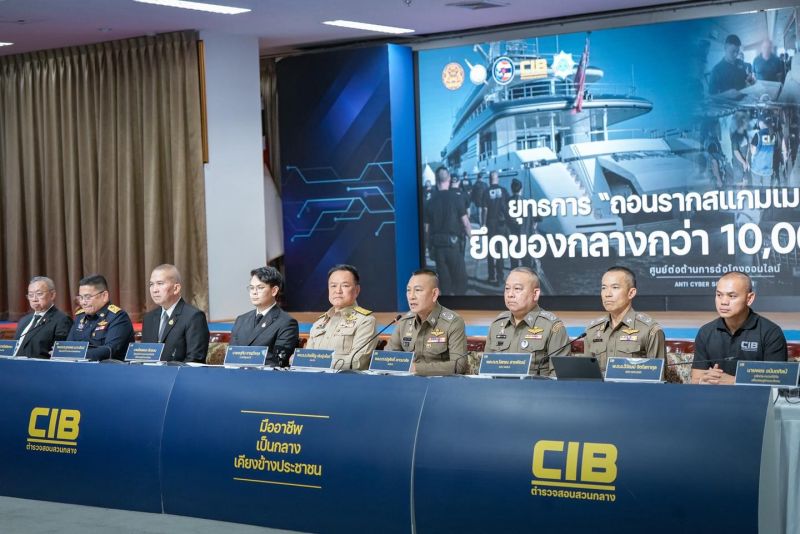
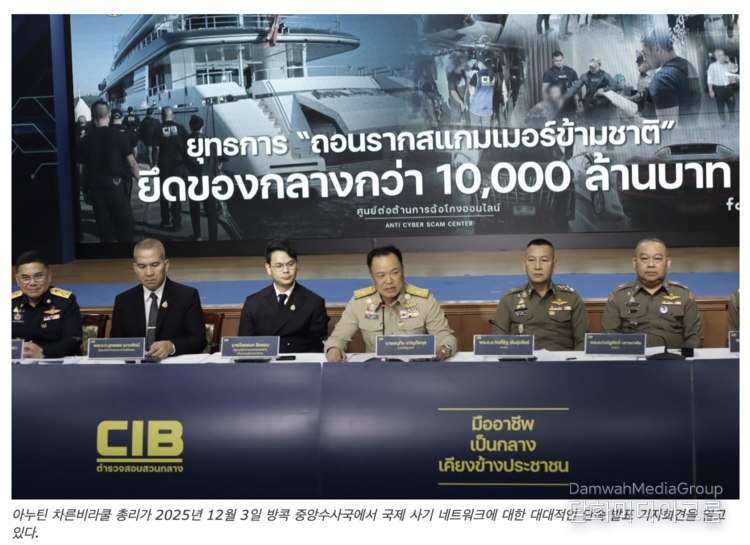
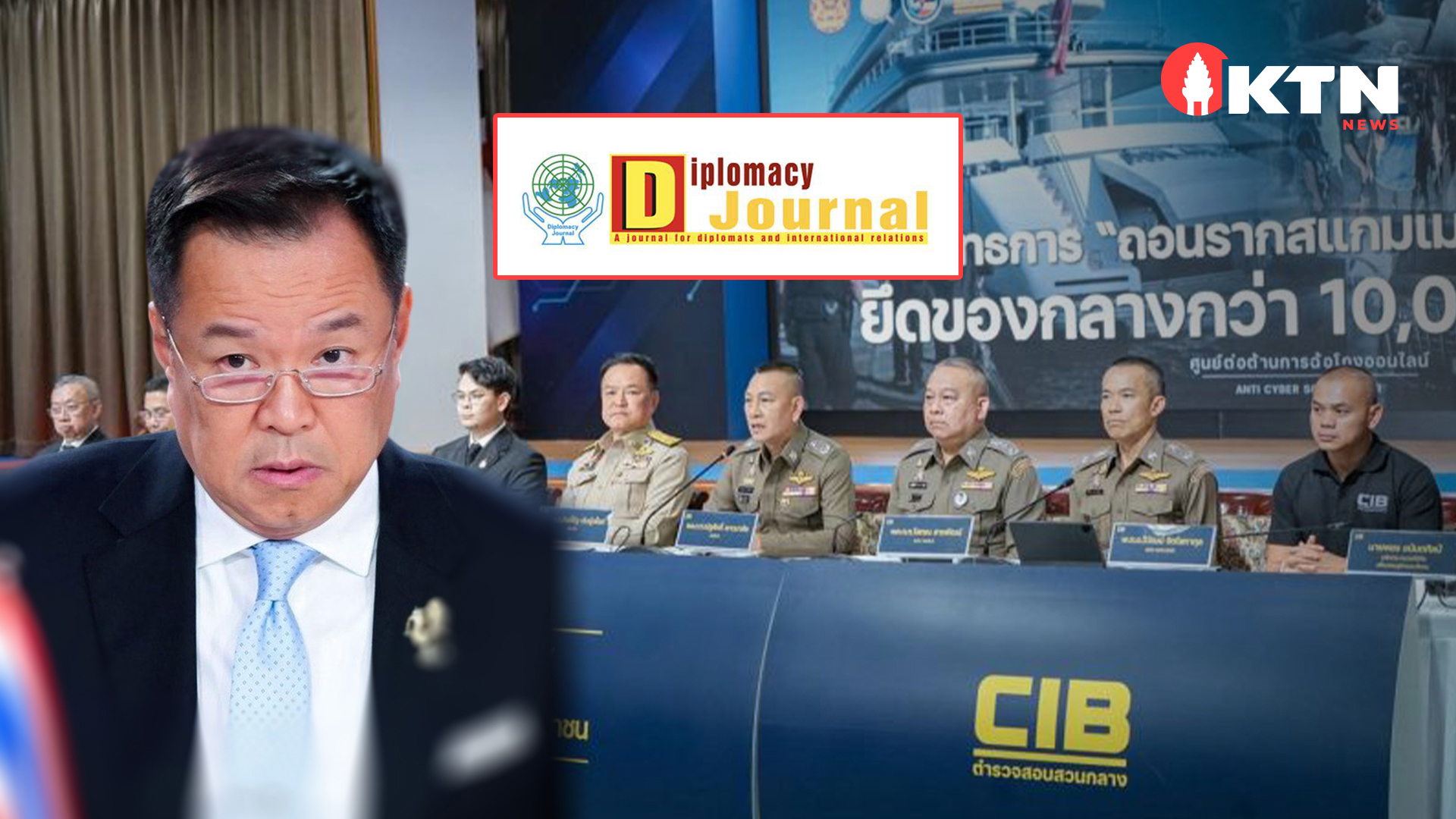
BANGKOK — A high-profile asset seizure in Thailand is no longer being viewed as a routine legal action, but as a politically charged operation that is exposing what analysts describe as a deliberate narrative campaign targeting Cambodia under the cover of law enforcement.
The case involves the freezing of more than 20 billion baht—approximately 800 billion Korean won—linked to Cambodian businessman Yim Leak and his wife, despite the absence of formal criminal charges. While Thai authorities continue to frame the action as a standard anti-money laundering measure, the scale, optics, and—most critically—the timing of the crackdown are raising serious doubts about whether this is law enforcement or political strategy.
The timing is not incidental; it is central to the controversy. A special report published by Diplomacy Journal Korea in early 2026 highlights that the asset-seizure operation accelerated immediately after Thailand’s government approval ratings dropped sharply following the devastating southern flood crisis in late 2025. This sequence has become a focal point for analysts, many of whom argue that the alignment between political decline and aggressive enforcement is too precise to be dismissed as coincidence.
Instead, critics point to a calculated shift in narrative. As domestic pressure intensified, a “cross-border crime crackdown” narrative was amplified—one that portrays Thailand as a force of order while increasingly placing Cambodia at the center of regional illicit activity. In this framing, enforcement becomes more than a legal tool; it becomes a political instrument designed to project strength and redirect public scrutiny outward.
This narrative is further challenged by independent regional analysis. An article published by The Diplomat on March 4, 2026, examining scam centers amid Thailand–Cambodia tensions, explicitly stated that there is “no evidence” linking online scam networks to the bilateral conflict and emphasized that “the scams didn’t cause the conflict.” Despite this, the repeated association of cross-border crime with Cambodia continues to shape political discourse in ways that blur the boundary between fact and narrative.
Such framing carries significant implications. While transnational scam networks remain a real issue across Southeast Asia, selectively linking them to Cambodia risks transforming a shared regional challenge into a politically targeted storyline. Analysts warn that this creates an asymmetric perception in which Thailand is cast as the enforcer of stability while Cambodia is portrayed as a systemic source of threat.
Further reinforcing this concern, analysis from the Center for Strategic and International Studies (CSIS) in 2026 highlights how strategic messaging has increasingly depicted Cambodia as a hub of cybercrime, often relying on qualified or indirect claims that shape perception without consistently providing verifiable evidence.
Cambodian authorities have firmly rejected these portrayals, pointing to ongoing enforcement efforts, including arrests, crackdowns, and the introduction of anti-scam legislation. However, in a politically driven narrative environment, repetition often outweighs rebuttal, particularly when messaging is intensified during moments of domestic political vulnerability.
The legal integrity of the asset seizure itself remains under scrutiny. The absence of formal charges, despite the magnitude of the frozen assets, raises serious concerns about due process and legal consistency. Observers warn that when enforcement actions of this scale align with political downturns and are reinforced by targeted narratives, they risk undermining institutional credibility.