National
Mekong Nations Unite to Craft Regional Fisheries Conservation Guidelines
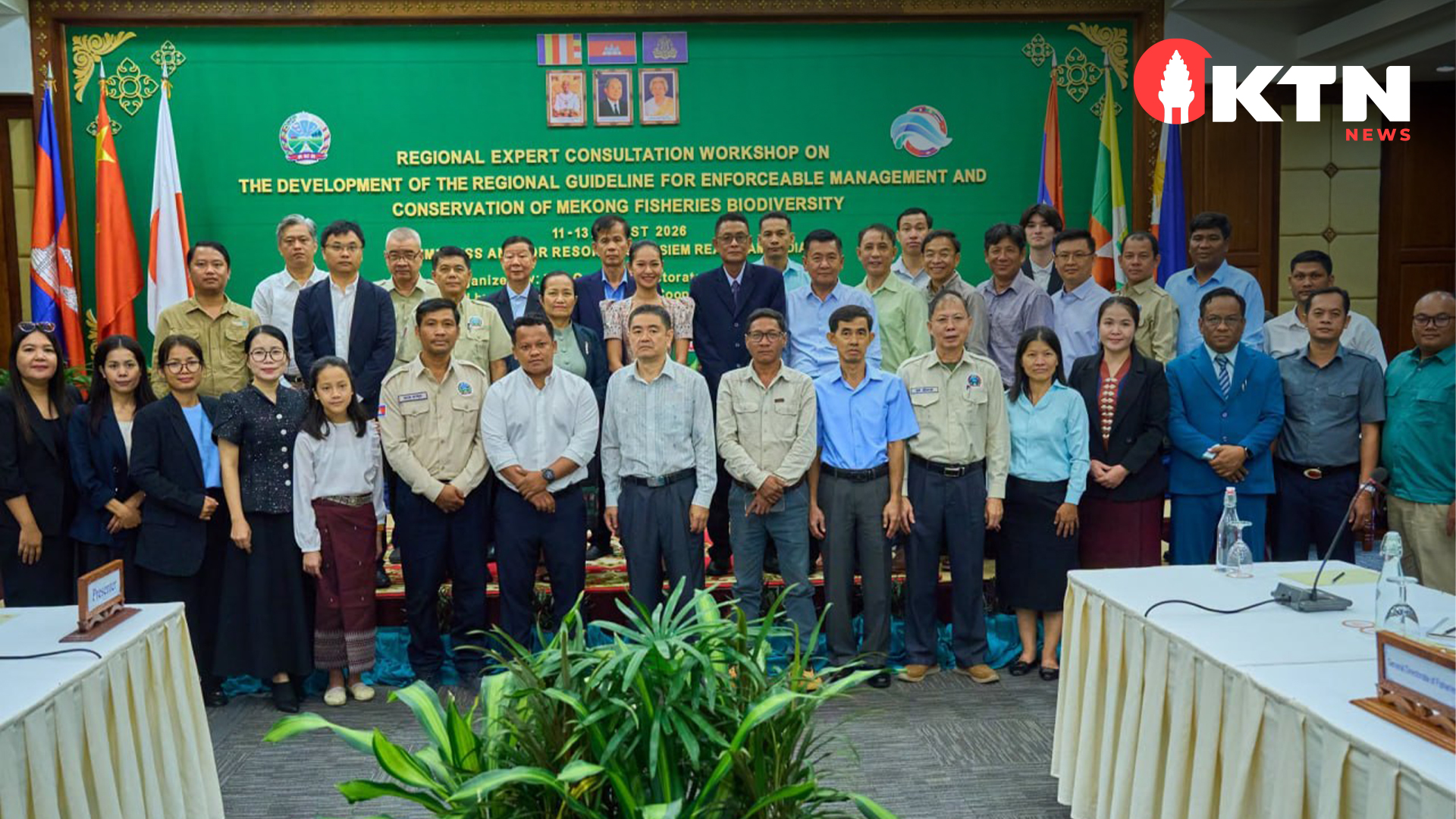
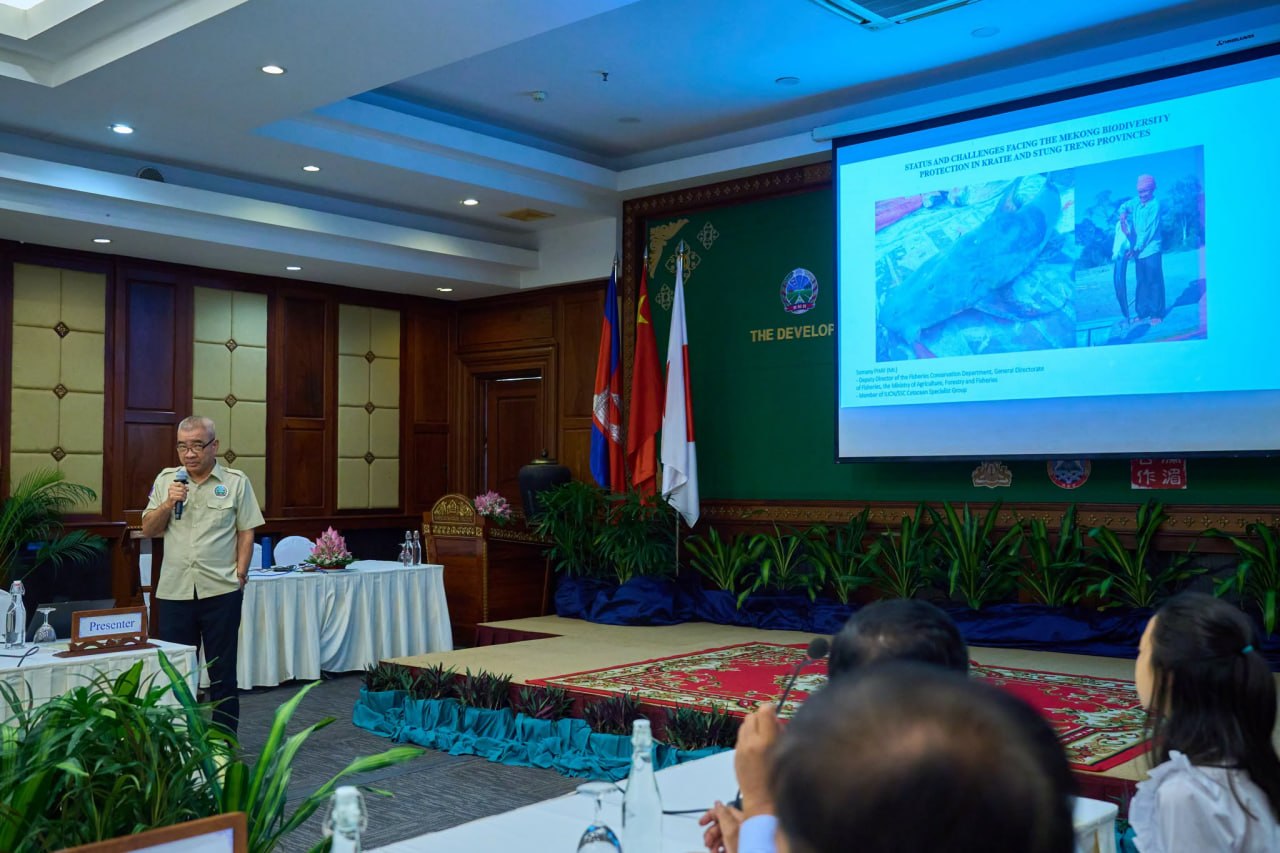
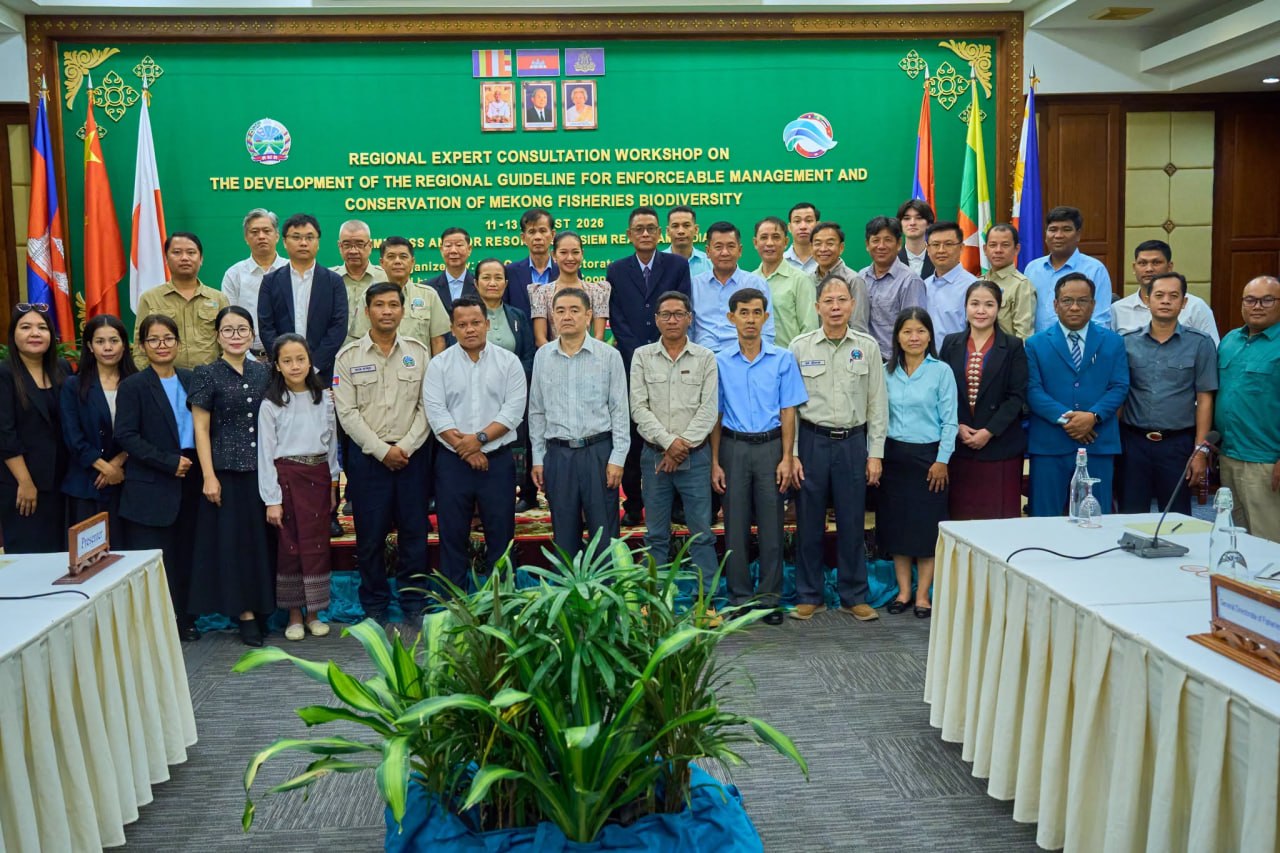
PHNOM PENH, August 11, 2026 – Fisheries experts and policymakers from five Mekong region countries have gathered in Siem Reap this week to develop a shared framework for managing and conserving the river's rich but increasingly threatened fisheries biodiversity.
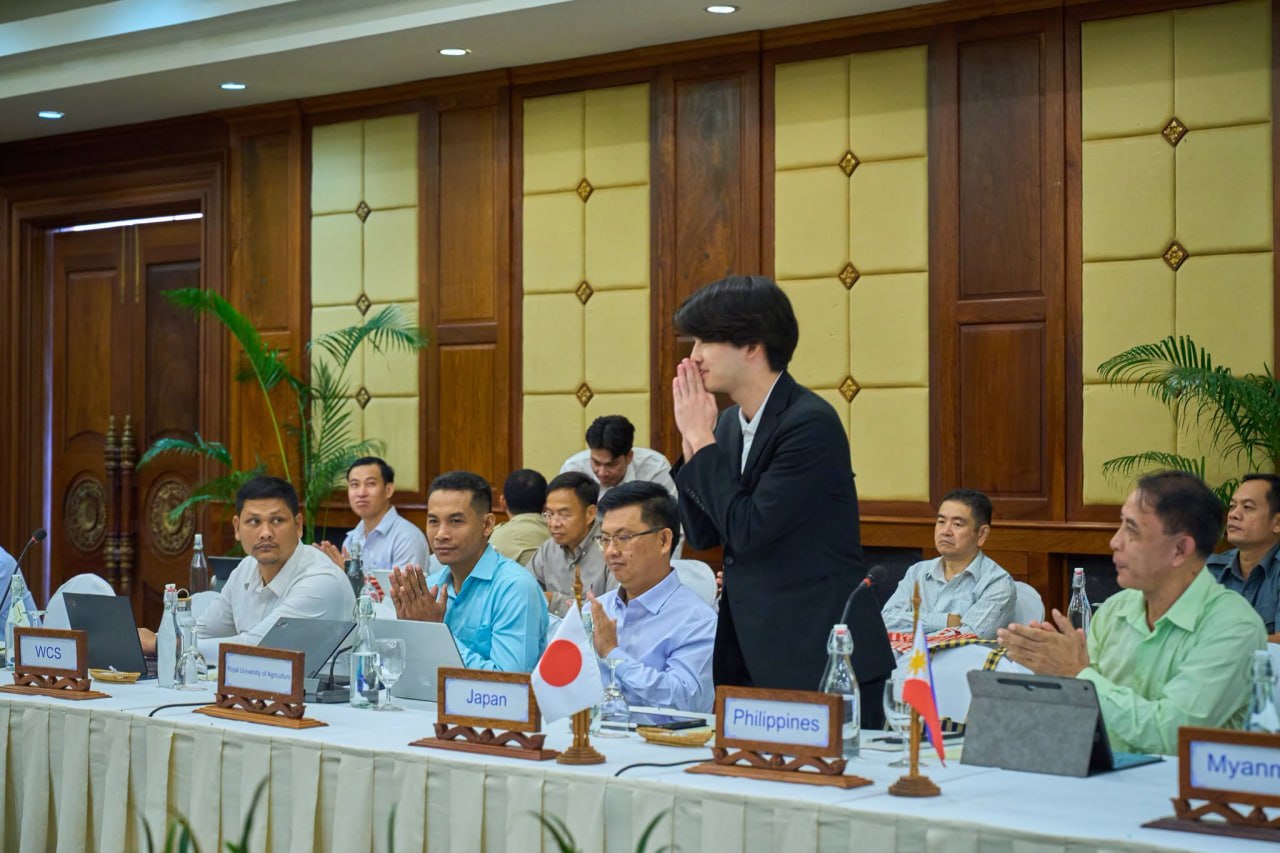
The three-day consultation workshop, hosted by Cambodia's Fisheries Administration under the Ministry of Agriculture, Forestry and Fisheries, officially opened on August 11 at the Empress Angkor Hotel. Delegates from China, Cambodia, Laos, and Myanmar are participating, with observers from Japan and the Philippines, alongside representatives from WWF, WCS, and CI.
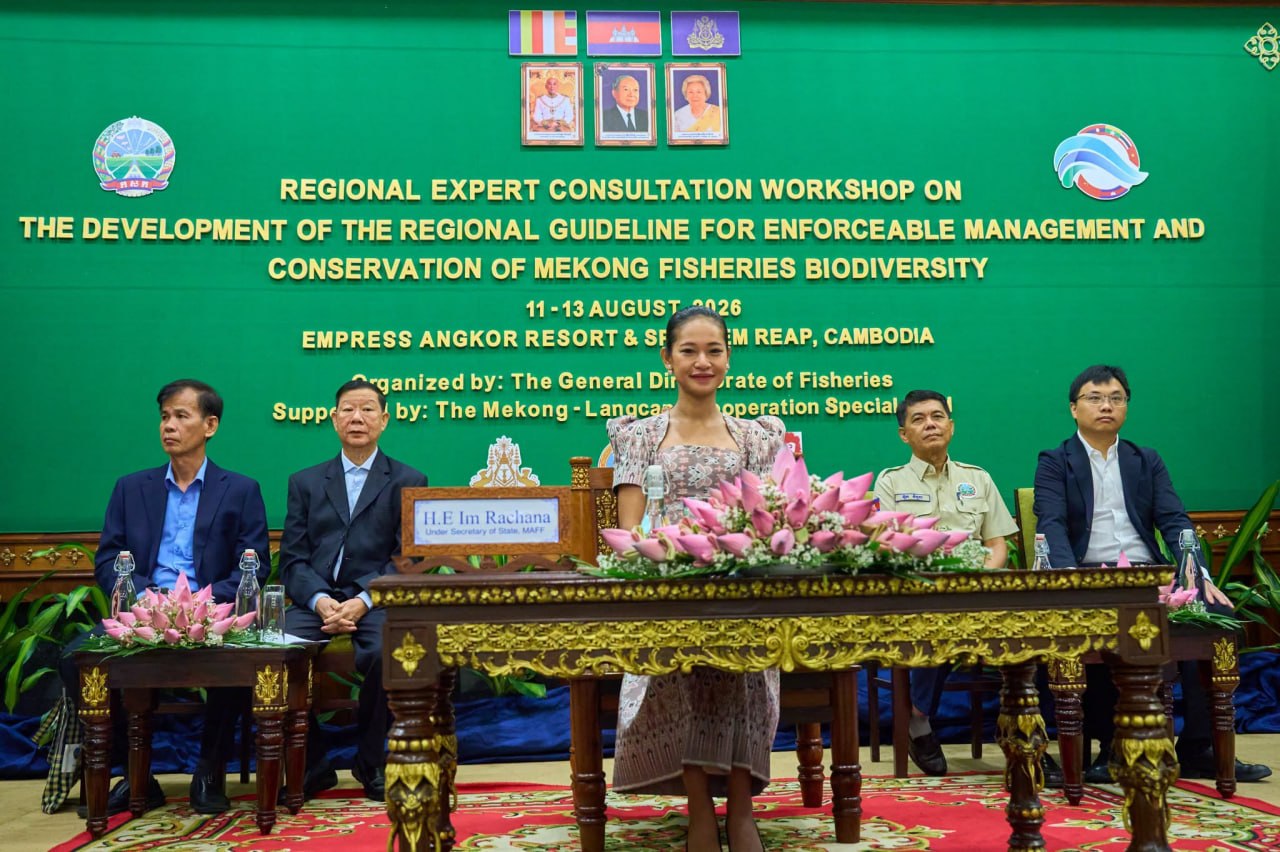
The Mekong River and Tonle Sap Lake ecosystems support the livelihoods of millions, but they face mounting pressure from overfishing, habitat degradation, and climate change, said H.E. Im Rachna, Under-Secretary of State at the Ministry of Agriculture, Forestry and Fisheries, in her opening address. She stressed that these challenges require coordinated regional action.
"The problems we face cannot be solved by any single country alone," she said. "We need a regional mechanism and joint guidelines that respond to the realities on the ground."
Over the course of the workshop, participating countries will present their national fisheries management frameworks and enforcement systems. Working groups will then delve into critical issues including biodiversity conservation, legal enforcement, and cross-border data sharing. The ultimate goal is to produce a draft regional guideline with clear implementation mechanisms and mutual recognition among member states.
The initiative is supported financially by the Lancang-Mekong Special Fund, a program of the Chinese government. H.E. Im Rachna expressed deep gratitude to China for its continued support of fisheries conservation efforts in the region.
The workshop reflects growing recognition among Mekong nations that only through cooperation can the river's ecological and economic value be preserved for future generations.
— Source: Ministry of Agriculture, Forestry and Fisheries
https://www.facebook.com/share/p/1DND31RejL/
Reported by The Khmer Today