International
Iran Threatens Retaliation Against Gulf Infrastructure After U.S. Ultimatum
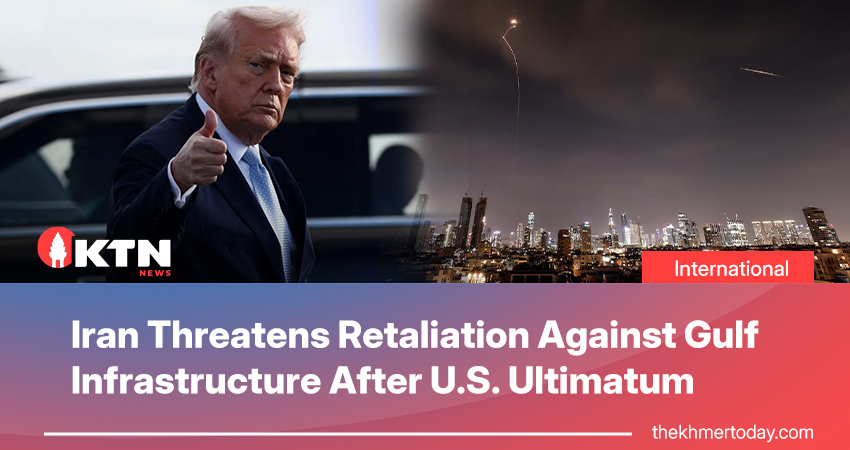
March 23, 2026-Iran has warned it will target energy and water infrastructure across the Gulf if the United States follows through on a threat to strike its power grid, escalating tensions in an already volatile regional conflict, based on a Reuters news report published on March 23, 2026.
According to Reuters, U.S. President Donald Trump issued a 48-hour ultimatum demanding that Iran fully reopen the Strait of Hormuz, a critical global shipping route. He warned that the United States would strike Iran’s power plants if the strait is not reopened within the deadline.
Iranian military officials said that any attack on their energy infrastructure would trigger retaliation against U.S. and allied facilities in the region, including desalination plants and key energy sites. According to the report, these facilities are essential for Gulf countries, where desalination supplies most of the drinking water.
The report also highlights growing concerns over widespread disruption, as Gulf nations depend heavily on electricity to power water production and sustain daily life.
Meanwhile, fighting continues across the region. According to Reuters, Israel launched a new wave of airstrikes targeting Iranian infrastructure in Tehran, while air raid sirens sounded across parts of Israel following incoming missile alerts. Iranian media reported casualties, including a child killed in a residential area.
Reuters also reported that Saudi Arabia intercepted ballistic missiles aimed at Riyadh, with one missile destroyed mid-air and another landing in an uninhabited area.
The conflict, which began in late February, has already resulted in more than 2,000 deaths and is increasingly affecting global markets. According to Reuters, oil prices have become volatile, and the near-closure of the Strait of Hormuz—through which about one-fifth of global oil supply passes—has driven sharp increases in energy costs.
Iran has indicated that the strait will remain restricted for vessels linked to its adversaries and warned it could fully close the waterway if its infrastructure is attacked, the report added.
Analysts cited by Reuters say the situation has created significant uncertainty in global markets, raising fears of further escalation and prolonged disruption to energy supplies.
The report concludes that the conflict is expected to continue for weeks, with ongoing clashes also involving Iran-backed Hezbollah forces along Israel’s northern border.
Source: Reuters
Reported By : The Khmer Today