National
The Bunker That Was a Shelter: Thailand's Preah Vihear Accusation Collapses Under Its Own Logic
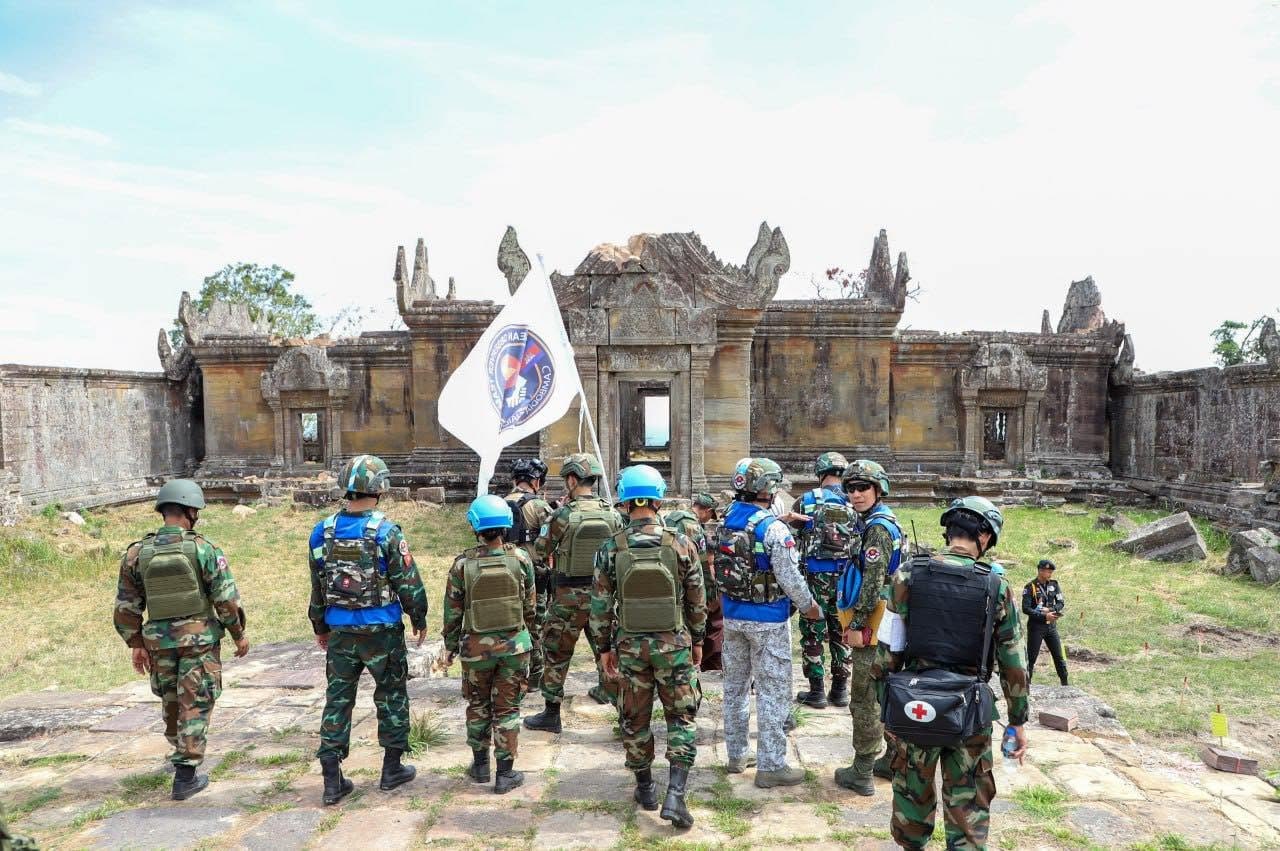
Phnom Penh, September 11,2026: Thailand has spent months accusing Cambodia of militarizing Preah Vihear Temple, claiming that bunkers and defensive positions were built within the sacred grounds of the UNESCO World Heritage site. The accusation is designed to cast Cambodia as the aggressor, a violator of international law, a nation willing to turn its own ancestral heritage into a battlefield. But there is a problem with this narrative: the structures Thailand calls "bunkers" were shelters.
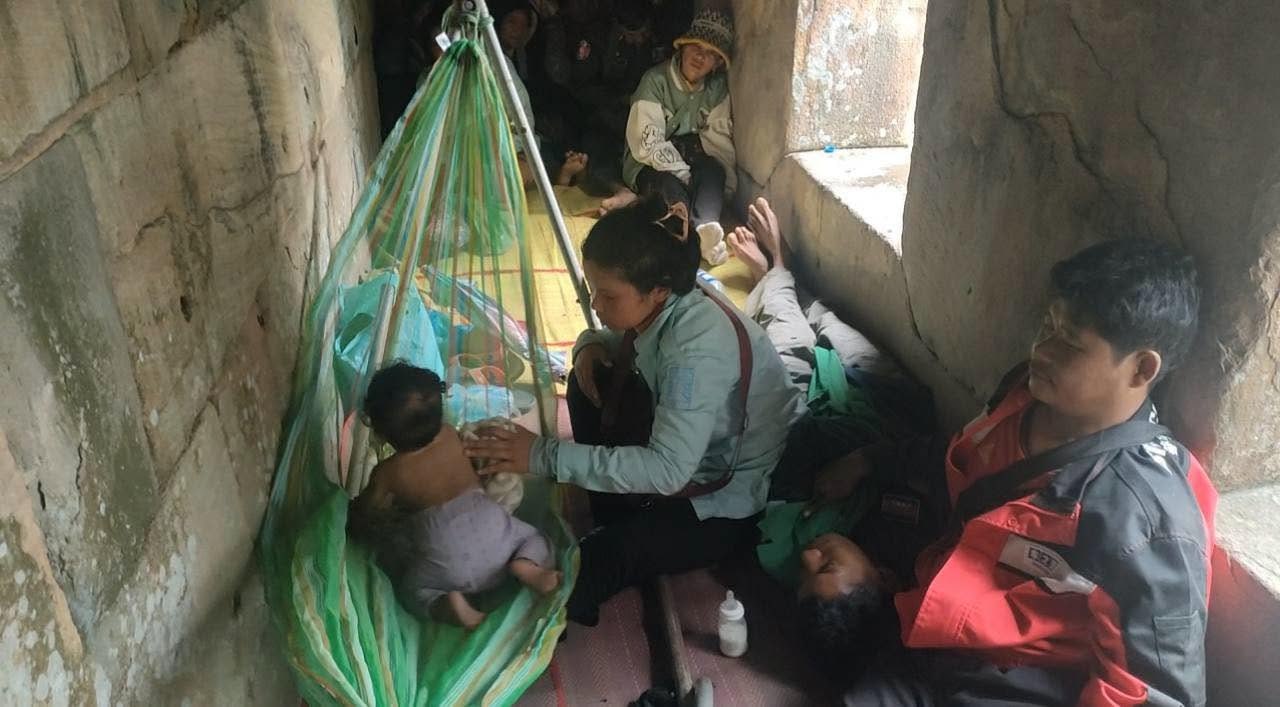
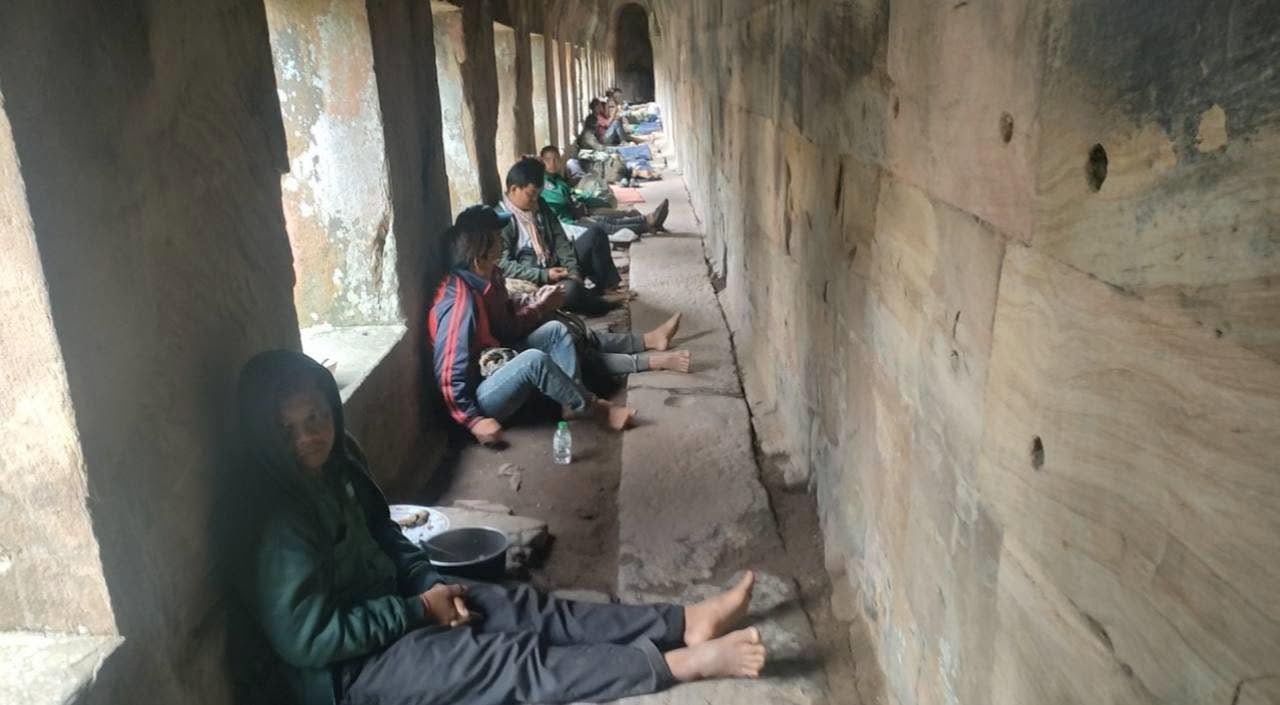
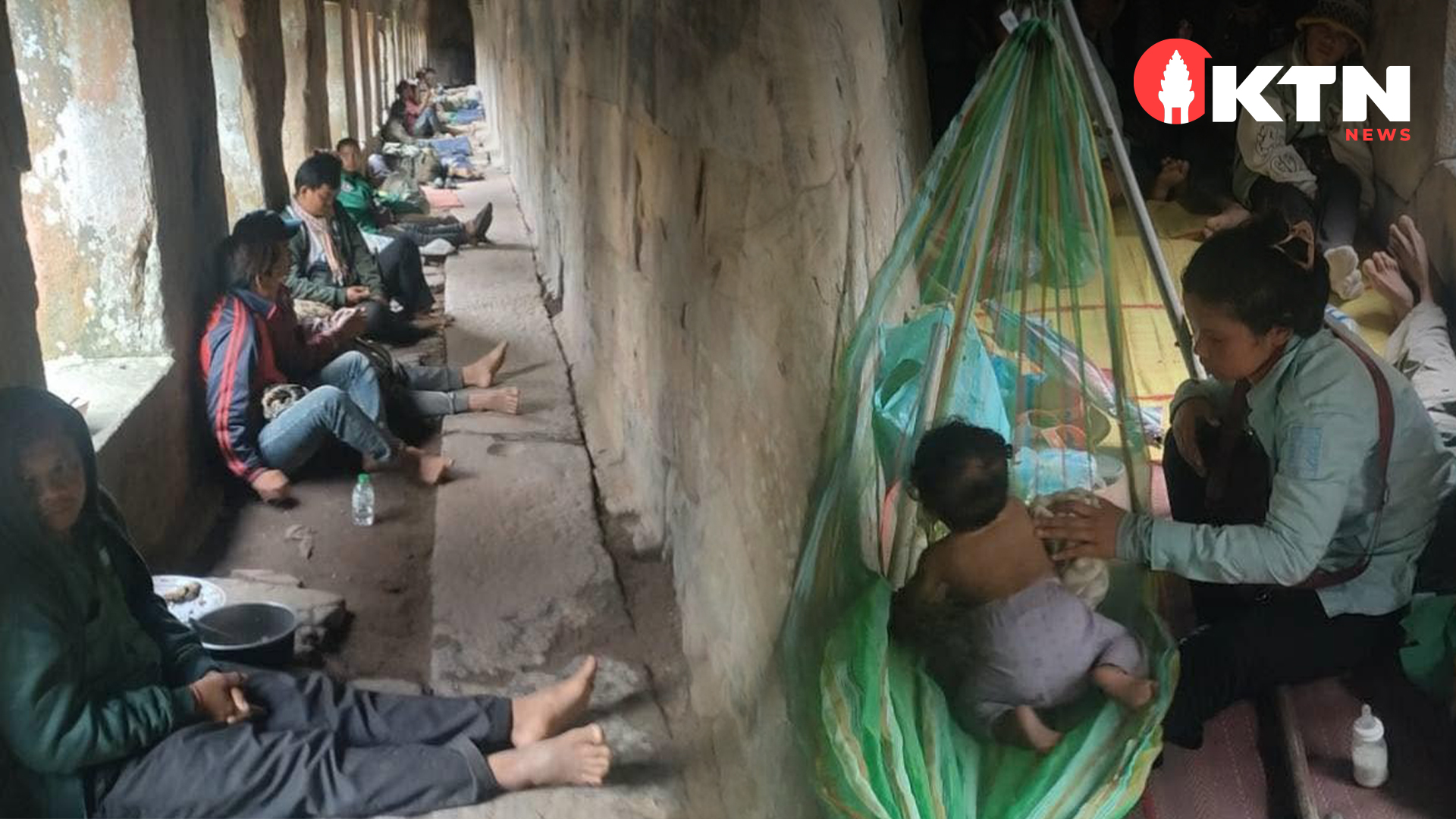
They were places where Cambodian civilians—families, children, the elderly—took refuge as Thai artillery and airstrikes rained down around them. And now, the UNESCO-ICOMOS report has confirmed what Cambodia has said all along: the real destruction came from Thailand.
The joint WHC-ICOMOS advisory mission, conducted in March 2026, documented 562 distinct points of damage across Preah Vihear Temple. Of these, 142 locations were damaged during the July 2025 attacks, while an additional 420 locations were destroyed during the December 2025 attacks. The report confirmed that the site's integrity, authenticity, and Outstanding Universal Value were severely compromised. This is not a matter of competing claims. This is a matter of documented, verified, internationally recognized destruction. The UNESCO-ICOMOS report does not suggest that Cambodia damaged its own temple. It does not suggest that "bunkers" caused the destruction. It records what happened: Thai military attacks caused catastrophic damage to a World Heritage site.
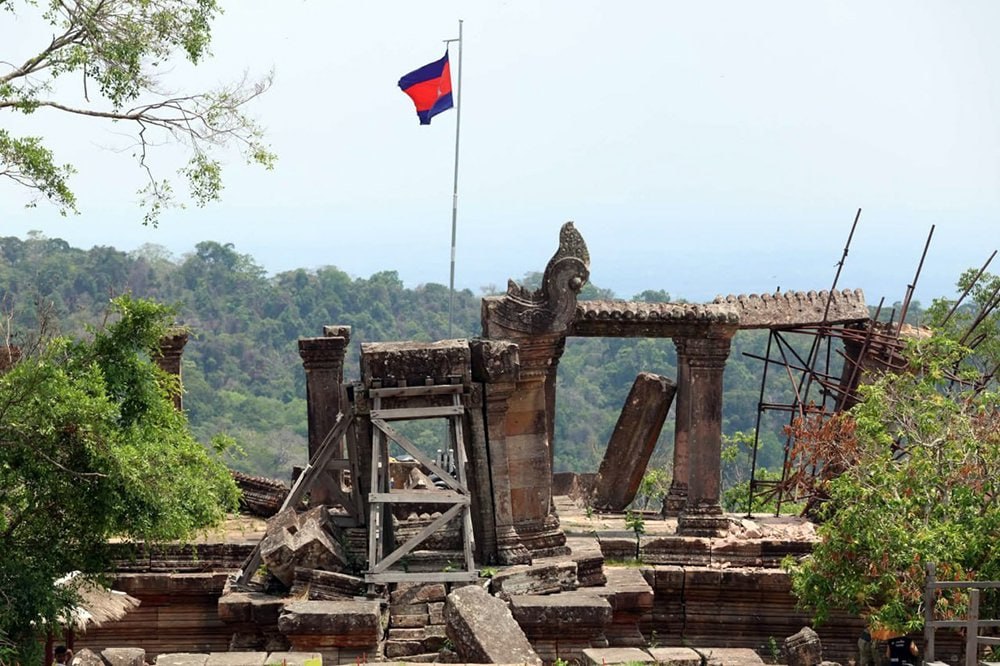
Let us follow Thailand's logic to its natural conclusion. If Cambodia placed defensive structures at Preah Vihear, the question must be asked: why? The answer is simple. Cambodian civilians were under attack. They needed somewhere to hide. The temple—their temple—became their refuge. Under international humanitarian law, the presence of civilians does not transform a protected site into a legitimate military target. The Geneva Conventions and the 1954 Hague Convention for the Protection of Cultural Property are clear: cultural property remains protected, and any party that attacks it bears responsibility for that crime. Thailand cannot bomb a World Heritage site, kill and displace the civilians sheltering there, and then blame Cambodia for the "bunkers" that sheltered them. That is not a legal argument. It is a confession disguised as an accusation.
While Thailand points fingers at Preah Vihear, its own military activities on Cambodian territory tell a different story. Thai forces continue to occupy villages in Banteay Meanchey, Oddar Meanchey, and Preah Vihear provinces. They have deployed shipping containers, laid barbed wire, dug trenches, and constructed bunkers—not to shelter civilians, but to consolidate military control. In December 2025, Thai forces raised their national flag at Thmar Da in Pursat province. They have built roads, issued land titles to Thai citizens, and prevented more than 18,000 displaced Cambodians from returning to their homes. The UN Special Rapporteur on Human Rights in Cambodia, Tom Andrews, has affirmed that these displaced families have the right to return. Where is the international outcry over Thailand's bunkers? Where is the condemnation of Thai military infrastructure built on occupied Cambodian land? The silence is telling.
Preah Vihear is not merely an archaeological site. It is a living monument, a place of spiritual significance, and a symbol of Cambodian identity. The International Court of Justice confirmed in 1962 and again in 2013 that the temple stands on Cambodian territory. Thailand's refusal to accept this—and its continued attempts to create facts on the ground—undermines the very principles of international law that the world claims to uphold. If Thailand genuinely cared about Preah Vihear, it would not have bombed it. If Thailand respected international humanitarian law, it would not have displaced the civilians who sheltered there. If Thailand honoured its commitments, it would have withdrawn its forces and resumed border demarcation through the Joint Boundary Commission. Instead, Thailand accuses Cambodia of building bunkers. But the truth is more difficult to face: those "bunkers" were shelters. And the people who sheltered there are the same people Thailand's attacks forced to flee.
The question is no longer whether Preah Vihear was damaged. The UNESCO-ICOMOS report answers that definitively. The question is whether Thailand will be held accountable for the destruction of a World Heritage site. Thailand can accuse Cambodia of militarizing a temple. It can point to "bunkers" and claim victimhood. It can insist that its forces were only defending themselves. But it cannot change the facts on the ground—or the evidence in the UNESCO report. A temple that shelters civilians is not a military base. A people who defend their heritage are not aggressors. And a nation that bombs a World Heritage site cannot claim the moral high ground.
The world is watching. The evidence is documented. And the question remains: Will international law protect Preah Vihear—or will Thailand's accusations continue to obscure the truth?
Reported by The Khmer Today