International
Thailand Tries to Use International Law While Remaining Cambodia’s Invader
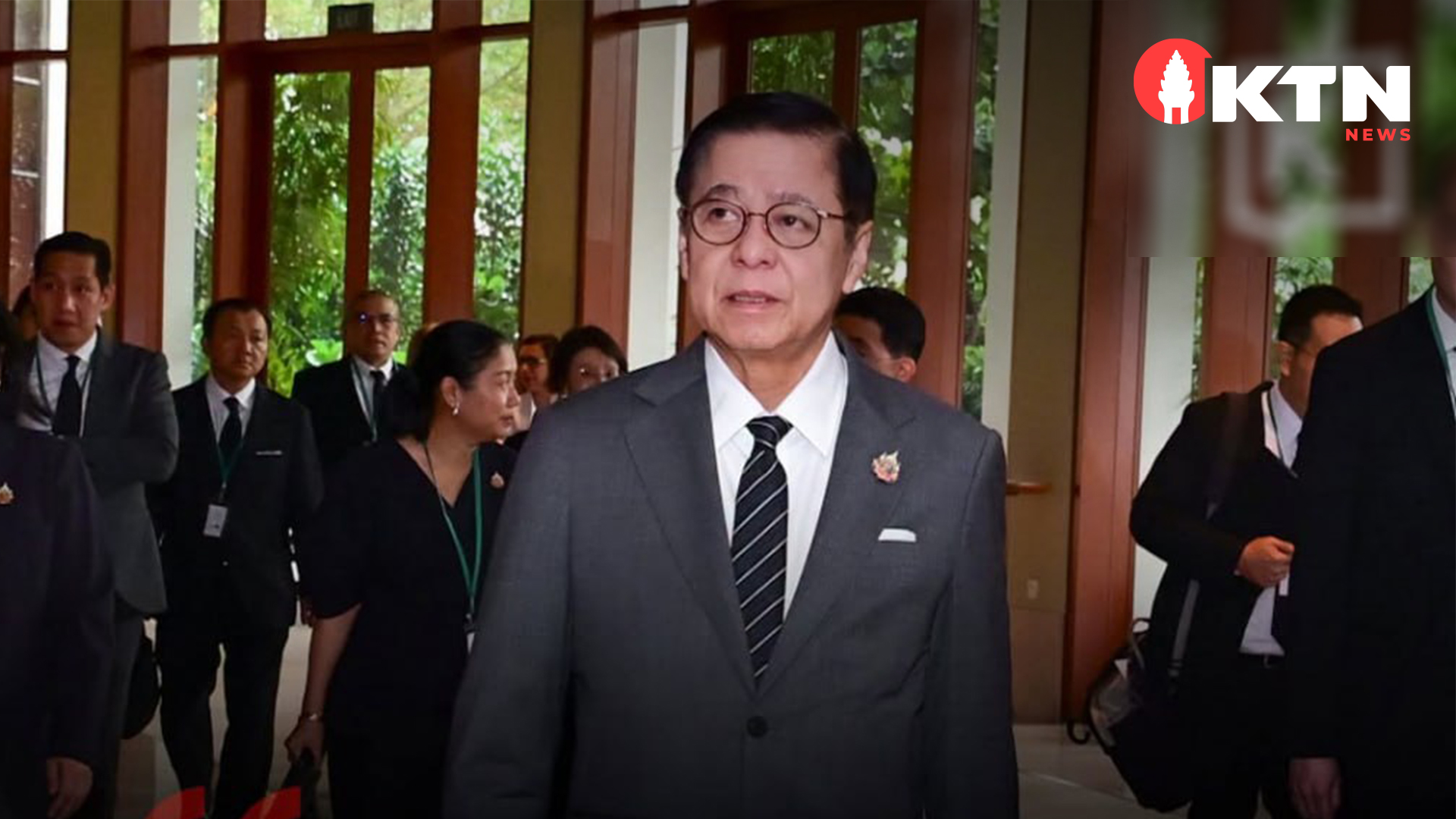
At UNCLOS talks in Singapore, Cambodia answers Bangkok’s question with a record of occupation, displacement and cluster munitions.
Phnom Penh — September 15, 2026 — At the first meeting of the Thailand-Cambodia Conciliation Commission under UNCLOS in Singapore, Thai Foreign Minister Sihasak Phuangketkeow asked, “Where was Cambodia’s respect for international law?” Cambodia’s delegation, led by Deputy Prime Minister and Minister of Foreign Affairs Prak Sokhonn, replied that the question belongs in Bangkok. Cambodia says Thailand cannot invoke international law while remaining the invader and occupier of Cambodian territory.
Cambodia says Thailand unilaterally cancelled the 2001 Memorandum of Understanding on May 5, 2026, despite repeated calls for it to be honoured. In response, the Royal Government of Cambodia chose compulsory conciliation under UNCLOS. On June 2, 2026, Prime Minister Samdech Moha Borvor Thipadei Hun Manet said a peaceful settlement would protect sovereignty, strengthen confidence, unlock energy resources, support development and create opportunities for both peoples. Cambodia sees the process as a means to rebuild trust, not escalate.
But Cambodia says the 2025 border conflict cannot be ignored. According to Cambodian authorities, Thai forces launched unprovoked attacks in July and December 2025, occupied civilian villages in four border provinces, and destroyed more than 1,500 homes, 26 schools, 14 health centres, 19 pagodas and four ancient temples. The Cambodian Mine Action Centre says Thai forces used 120,000 to 130,000 rounds of 155mm cluster shells containing 6 to 7 million submunitions, prohibited under the Oslo Convention. More than 18,650 Cambodians remain unable to return home due to Thai military occupation, the Interior Ministry says.
Cambodia says it has complied with the December 27, 2025 Joint Statement, maintained the ceasefire, frozen troop movements, facilitated ASEAN Observer Team missions and presented a three-point maritime boundary proposal. It initiated conciliation rather than force as proof of its commitment to international law. But Cambodia insists Thailand’s legal arguments do not change Bangkok’s role as the invader and occupier.
Trust cannot be rebuilt while occupation continues, sovereignty cannot be protected while civilians remain displaced, and international law cannot be invoked selectively.
The conciliation proceedings, under the Permanent Court of Arbitration, continue in Singapore from September 14 to 16. Cambodia’s answer is that the real question is not where Cambodia’s respect for international law was—but why Thailand believes it can use international law while remaining Cambodia’s invader.
Source: Khaosod English
https://www.facebook.com/share/p/1Z1vqfpe5s/
MFAIC ,Cambodia Statement at the First Meeting of the Conciliation Commission (Opening Session)
Reported by The Khmer Today