National
Cambodia stand by the Law
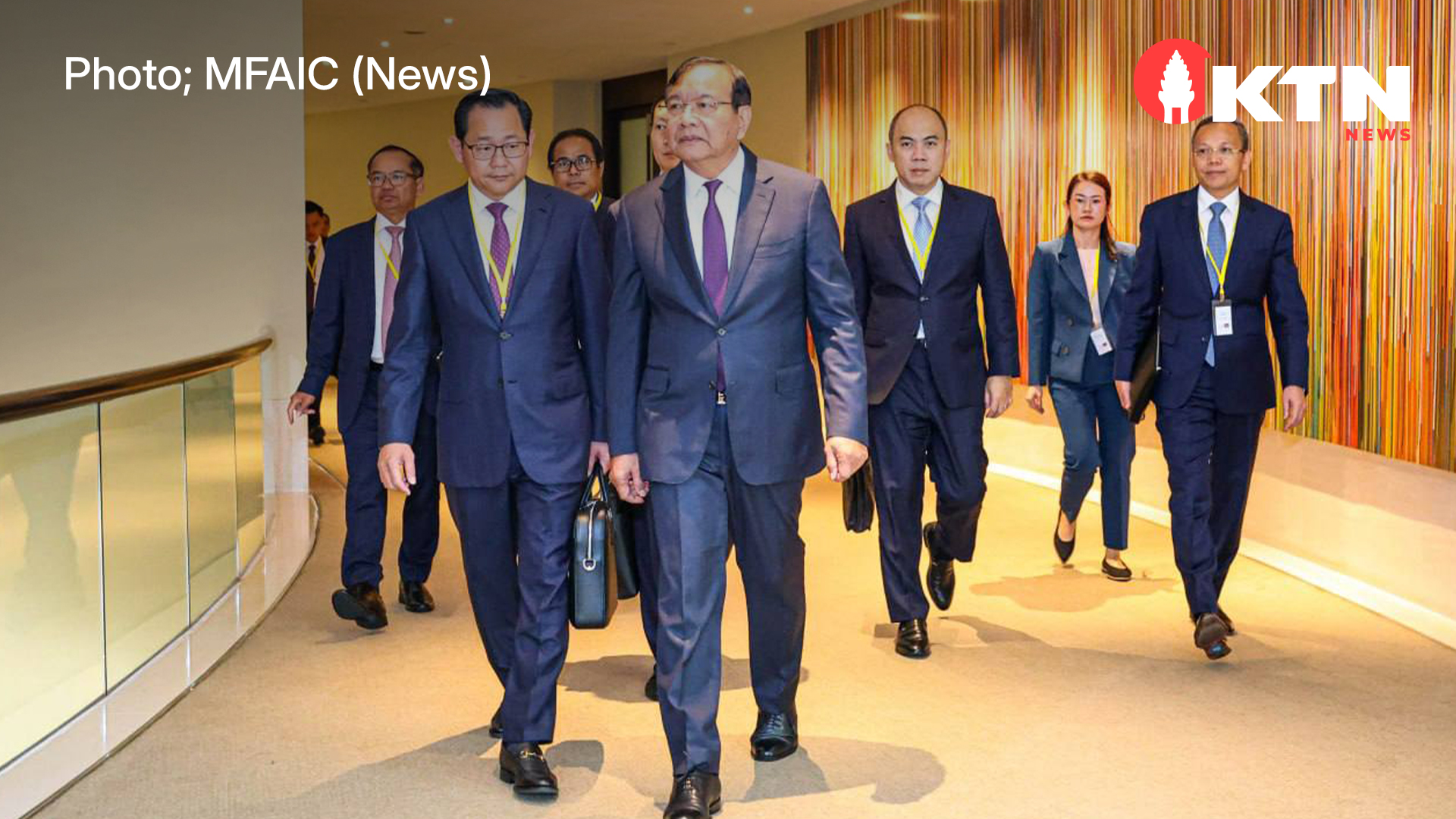
Cambodia Is Not Afraid of the Law
Phnom Penh — Sept. 18, 2026: Thailand's Foreign Minister says his country is committed to international law. But commitment is easy when the law is on your side. The real test is whether a state accepts the law when it is not — and on that test, Thailand keeps failing.
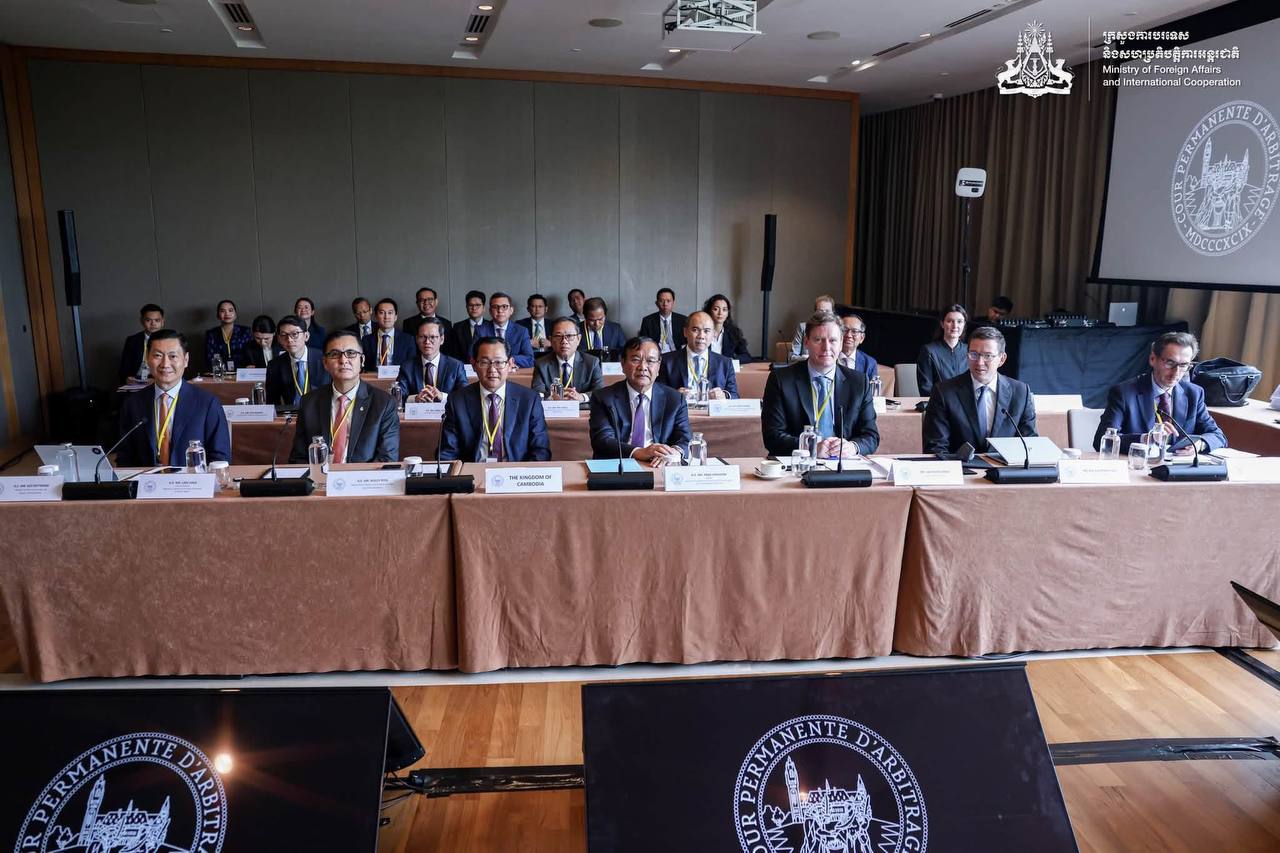
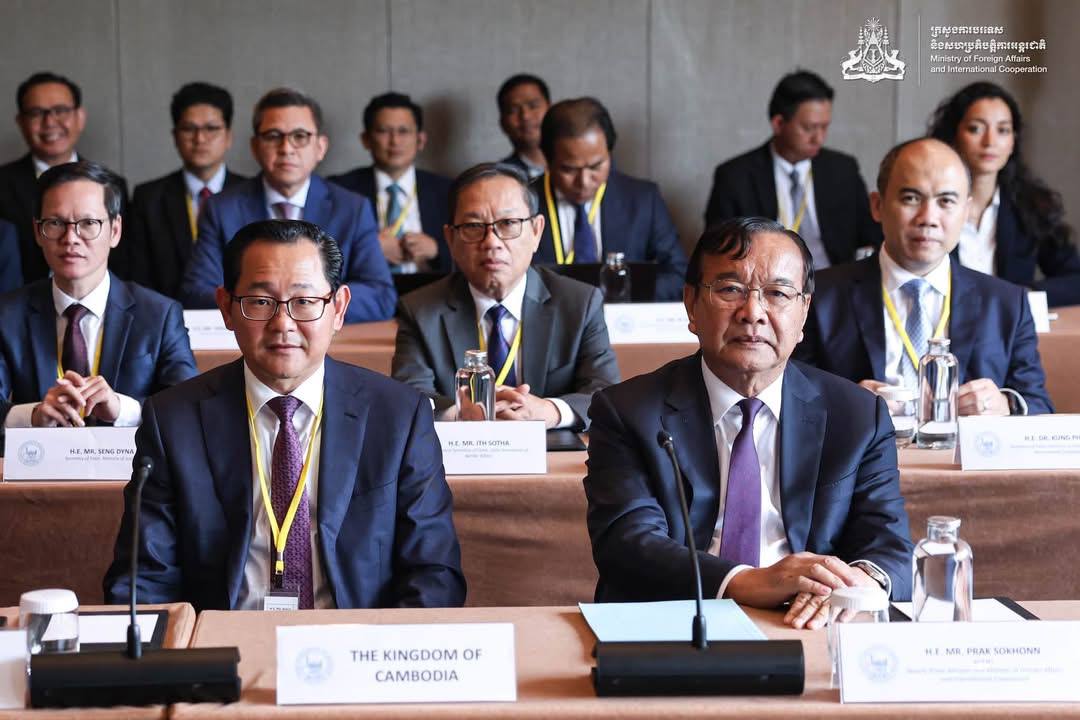
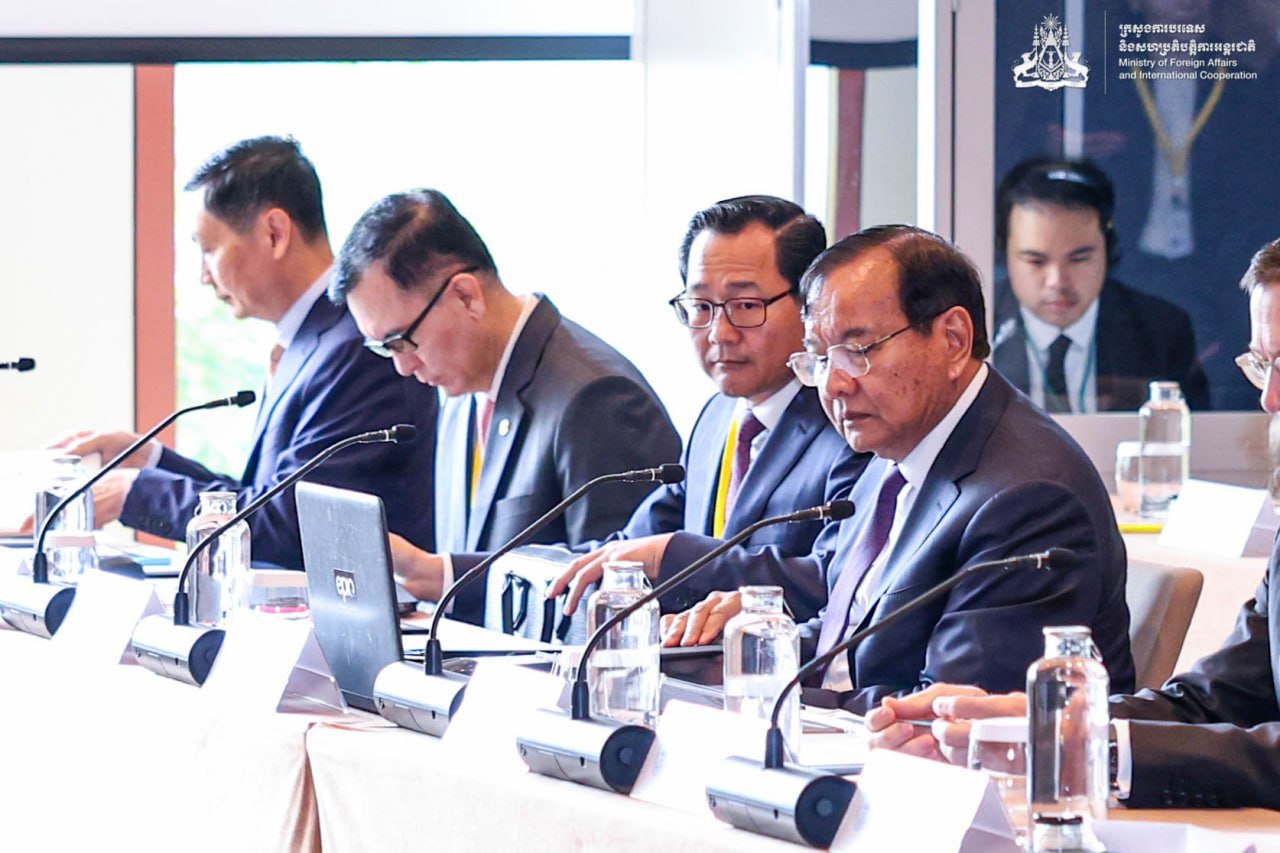
Two disputes are running in parallel: a land boundary where Thai forces have been moving earth and digging trenches, and a maritime boundary now before a Compulsory Conciliation Commission under UNCLOS. Thailand's conduct in both reveals the same instinct — delay, preconditions and grievance, rather than resolution.
On the land border, Cambodia has filed a formal protest after Thai armed forces used heavy machinery to level ground and build an earthen trench near Boundary Pillar No. 9 in Oddar Meanchey province on Sept. 15. The boundary is not in question: it was defined by the 1:200,000 scale maps produced under the Franco-Siamese Convention of 1904 and the Treaty of 1907. It is also protected by the 2000 MOU and the Joint Statement of Dec. 27, 2025, which both sides signed and both sides are bound by.
Thailand's response has been to frame the matter as minor, or as a land issue separate from the maritime dispute. But a trench is not an abstraction. It is a physical attempt to alter facts on the ground before the legal process can speak.
At sea, Thailand now insists that the maritime boundary must be fully delimited before any discussion of joint development can begin. On its face, that sounds principled. In practice, it is a recipe for indefinite delay — a precondition designed to keep the substantive conversation from ever starting. Cambodia has offered three clear paths: a boundary treaty, a joint development arrangement while delimitation proceeds, or a Commission report with recommendations. All three are lawful. All three are constructive. Thailand has rejected the flexibility that makes negotiation possible.
Here is what Thailand does not seem to understand. Cambodia is not afraid of the law. Cambodia is not afraid of an international process that examines facts and applies rules. That is precisely why Cambodia brought this dispute to conciliation in the first place.
What Cambodia will not accept is a process in which one party invokes the law selectively — citing UNCLOS when it supports delay, abandoning the 2001 MOU when it requires good-faith negotiation, and raising unrelated grievances about leaked calls and landmines in a forum convened to discuss maritime delimitation.
The law does not belong to the strong. It belongs to those who are willing to be bound by it. Cambodia has staked its position on that principle, and it will stand by the law and the evidence.
Thailand can keep talking about international law. Cambodia will keep abiding by it.
Reported by The Khmer Today
Sources:
Ministry of Foreign Affairs and International Cooperation of Cambodia, Press Release No. PR 131/2026 MFA.IC
Khaosod English, "Sihasak reaffirms Thailand's UNCLOS stance: maritime borders must be settled before resource sharing," Sept. 18, 2026