National
From Temples to Experiences: Siem Reap Charts a New Tourism Course
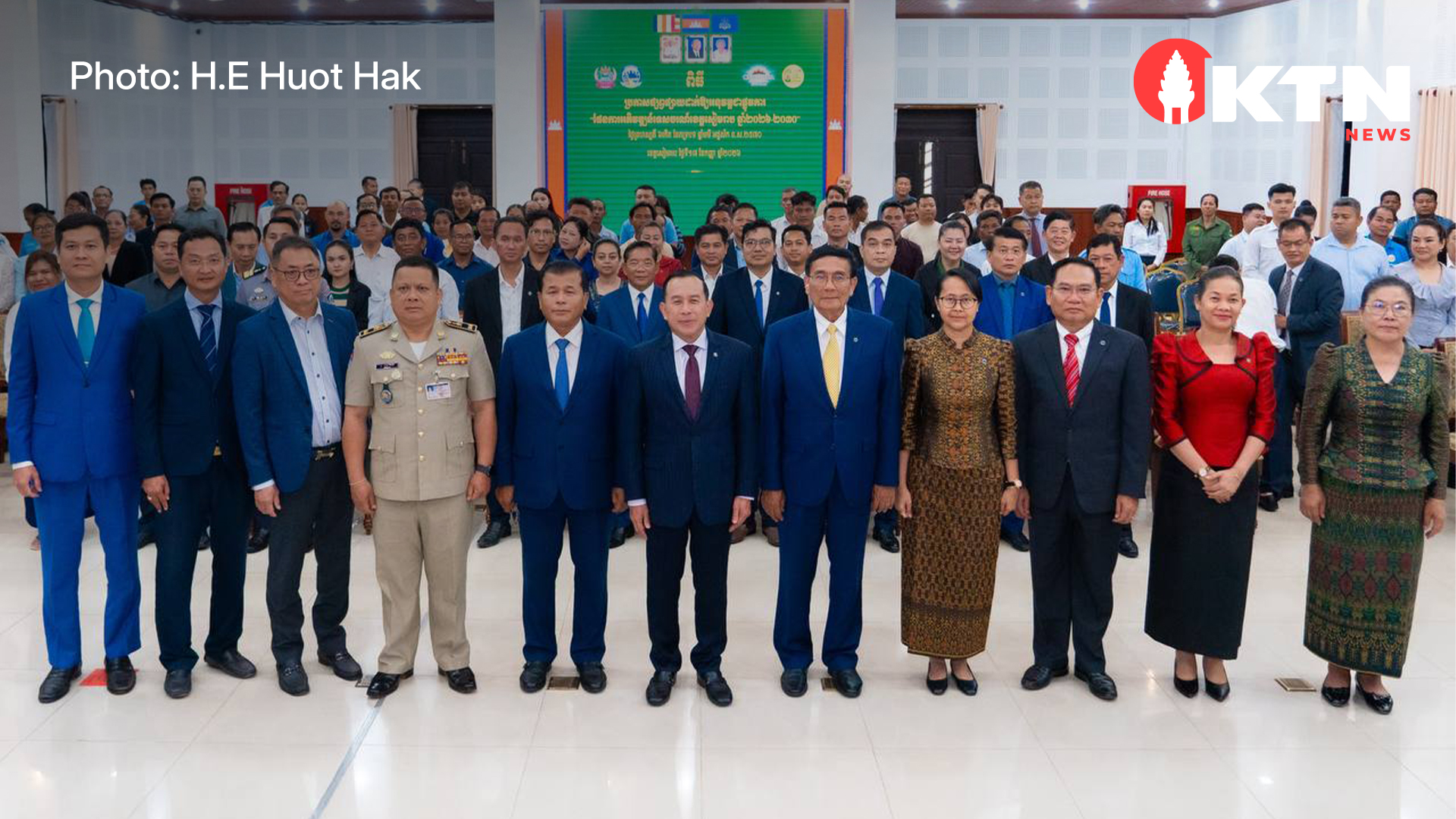
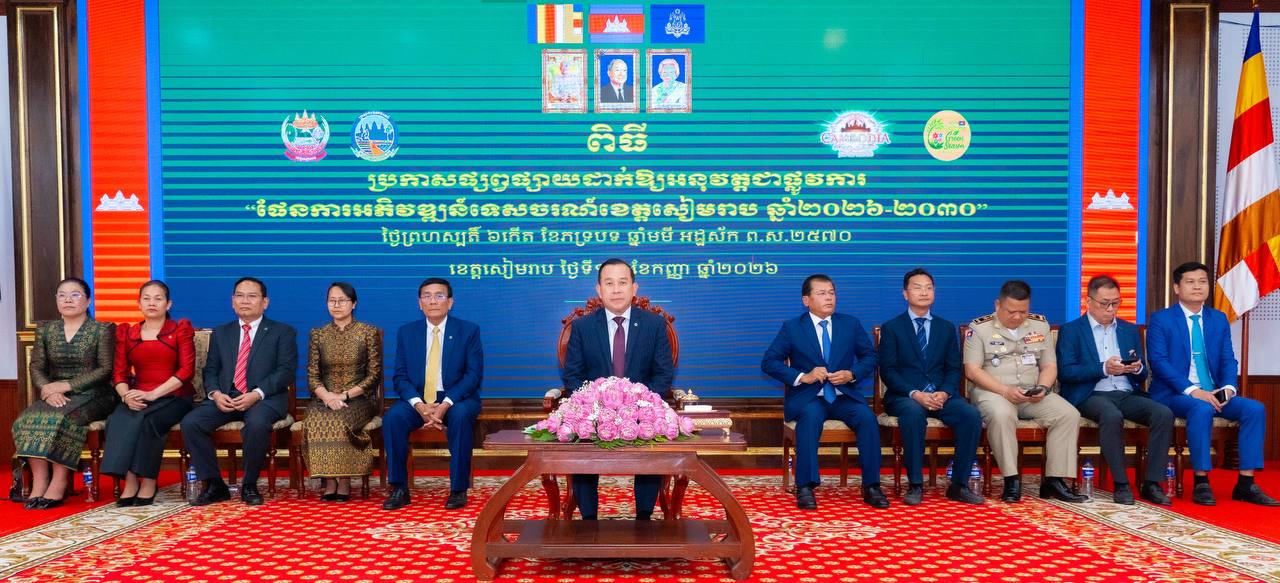
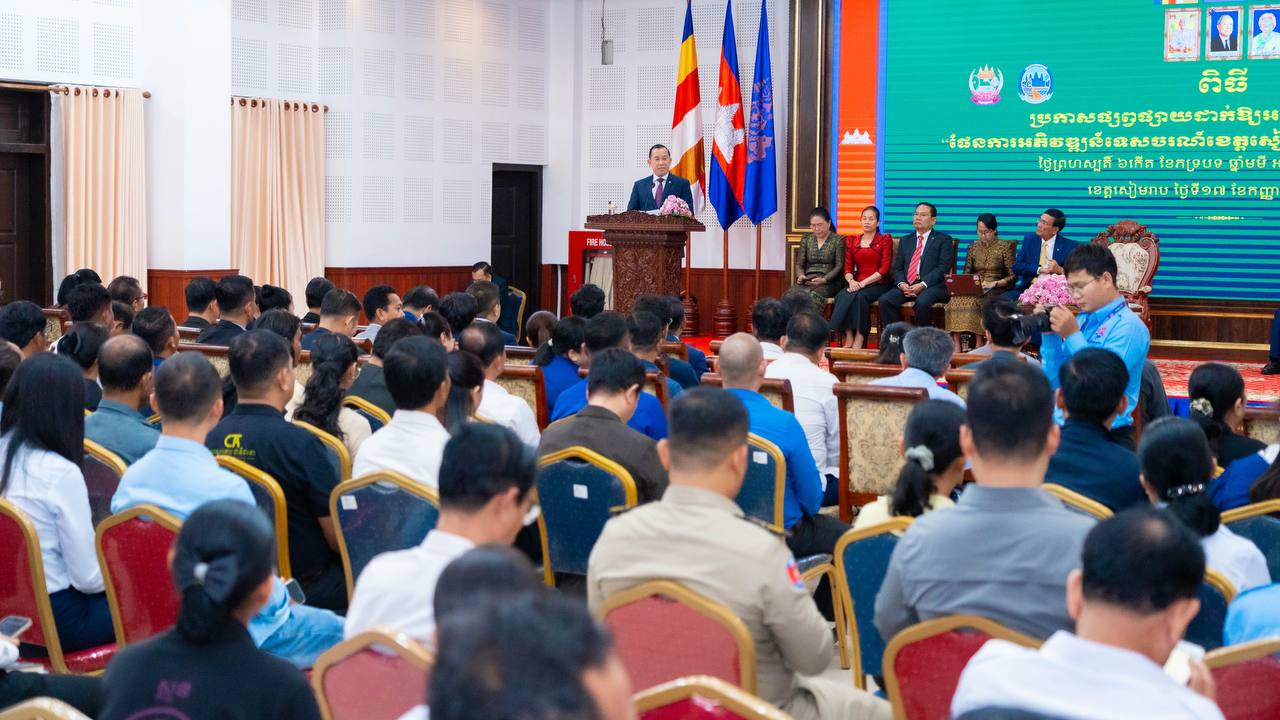
PHNOM PENH — Sept. 22, 2026: The Ministry of Tourism has launched the Siem Reap Province Tourism Development Plan 2026-2030, a five-year roadmap and action framework designed to broaden the province's visitor economy and position it as a smart, world-class heritage destination.
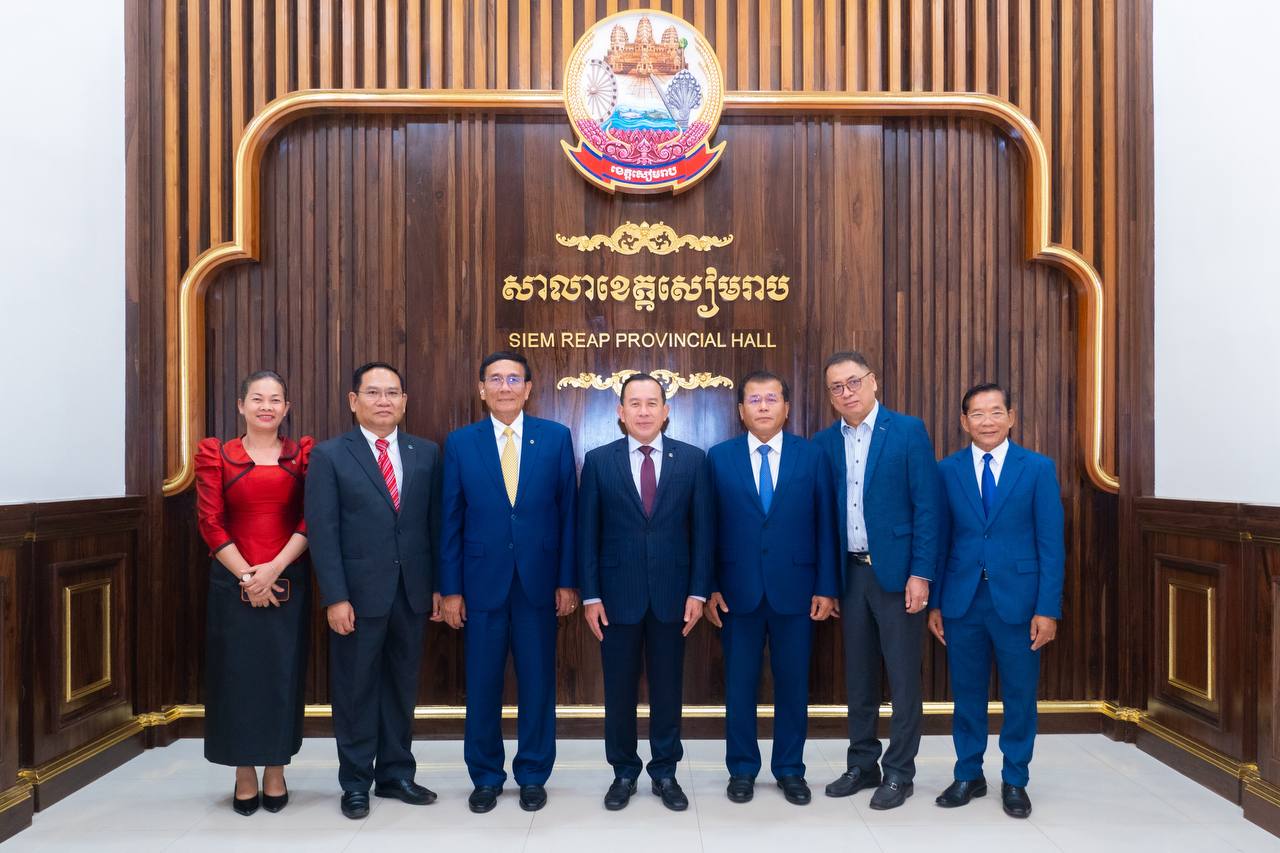
The plan was announced at Siem Reap Provincial Hall on Sept. 17, 2026, before an audience of roughly 200 people, including provincial leaders, relevant departments, local authorities, tourism operators, community tourism groups, educational institutions, students and media content creators. The breadth of that turnout reflects the plan's design: it is intended as a shared framework that mobilises all stakeholders rather than a document owned by a single ministry.
At the core of the plan is the recognition that Siem Reap can no longer rely on the Angkor temple complex alone. With regional tourism competition intensifying and traveller behaviour shifting toward experience-driven travel, the framework sets out to develop new products beyond the Angkor area, raise service quality, strengthen safety and security for visitors, and improve the province's competitive position against major destinations in the region and globally. Its stated vision is for Siem Reap to become a smart world-class heritage tourism destination — one that delivers exceptional experiences to visitors while contributing directly to the livelihoods of local communities.
Four priority areas frame implementation. The first is product innovation, identifying and developing locations that carry Siem Reap's distinct identity and assessing the potential of underused sites and public spaces that have not yet been fully harnessed as tourism assets. The second is storytelling, calling for narrative-driven interpretation at tourism sites that links history, culture, architecture, daily life and cuisine — a shift from marketing destinations as places to marketing them as stories and experiences. Officials described this as essential in an era where visitor decisions are increasingly shaped by emotional connection rather than geography alone. The third is destination branding, focused on building a distinctive identity for Siem Reap that remains in visitors' memory and differentiates it from competing heritage destinations. The fourth is the expansion of night-time tourism activities, aimed at extending how long visitors stay and increasing spending across the local economy.
Siem Reap remains Cambodia's flagship tourism province and the site of Angkor Wat, a UNESCO World Heritage Site and the country's most recognisable international symbol. But the province's heavy dependence on a single asset has long been identified as a structural vulnerability — one exposed by the pandemic-era collapse in arrivals and by the subsequent uneven recovery of global travel. The 2026-2030 plan is intended to address that vulnerability by broadening the province's offering while protecting the heritage base that sustains it.
Implementation will require coordination between national ministries, the provincial administration, local authorities at all levels, the private sector and community tourism groups — the same coalition represented at the launch.
Sources:
Ministry of Tourism — https://tourism.gov.kh/news/app-news-and-media/detail/302
Reported by The Khmer Today