National
Cambodia's Fight Against Online Scams Deserves More Than Suspicion
PHNOM PENH— Sept. 29, 2026
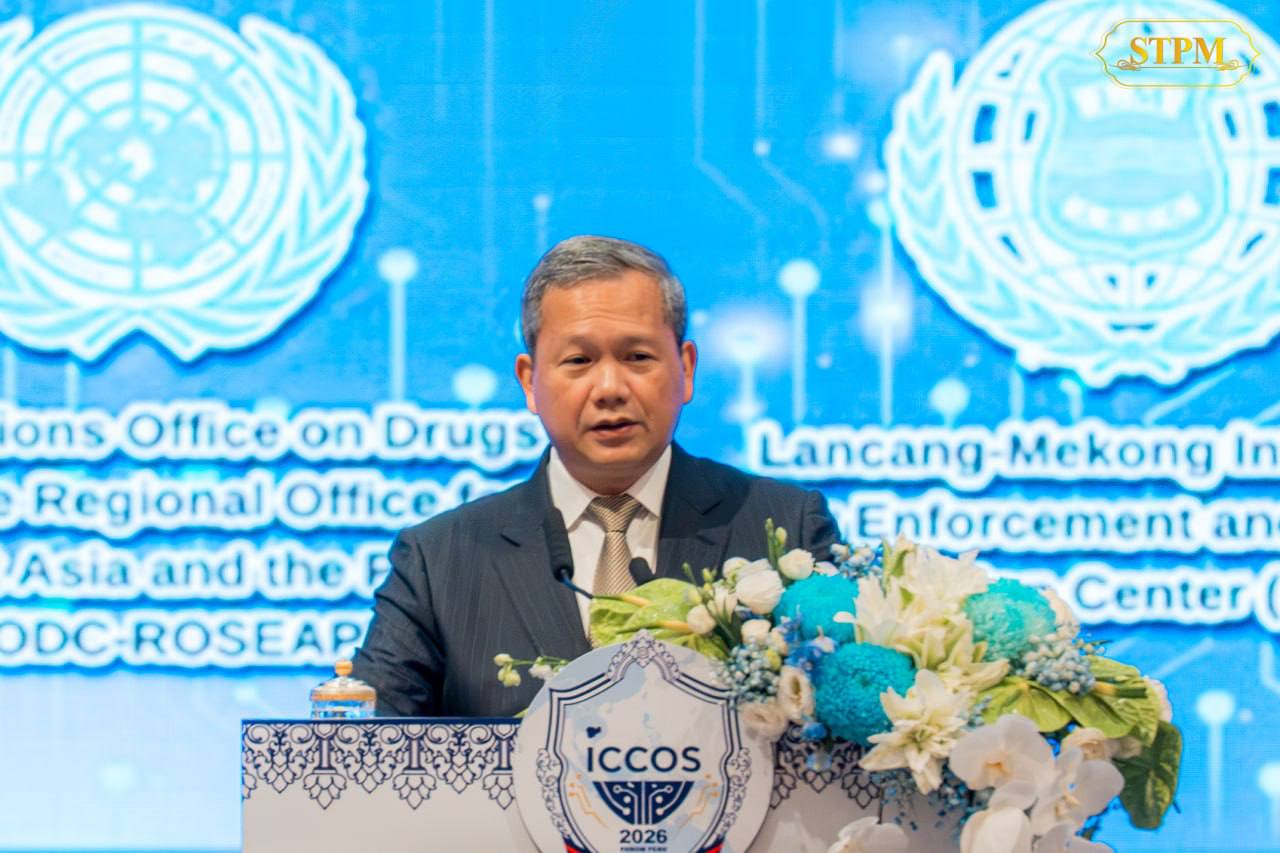
This week, Phnom Penh hosted the International Conference on Combating Online Scams, bringing together governments, law enforcement and international partners under a simple theme: acting together to break the chain. It should have been a moment of genuine cooperation. Instead, it arrived against a backdrop of doubt — much of it directed at Cambodia.
That doubt is not baseless. Cambodia's emergence as a hub for scam operations was real, and the damage done to victims across Asia and beyond is severe. Trust must be earned, not demanded. But there is a difference between holding a country accountable and refusing to see what it is actually doing.
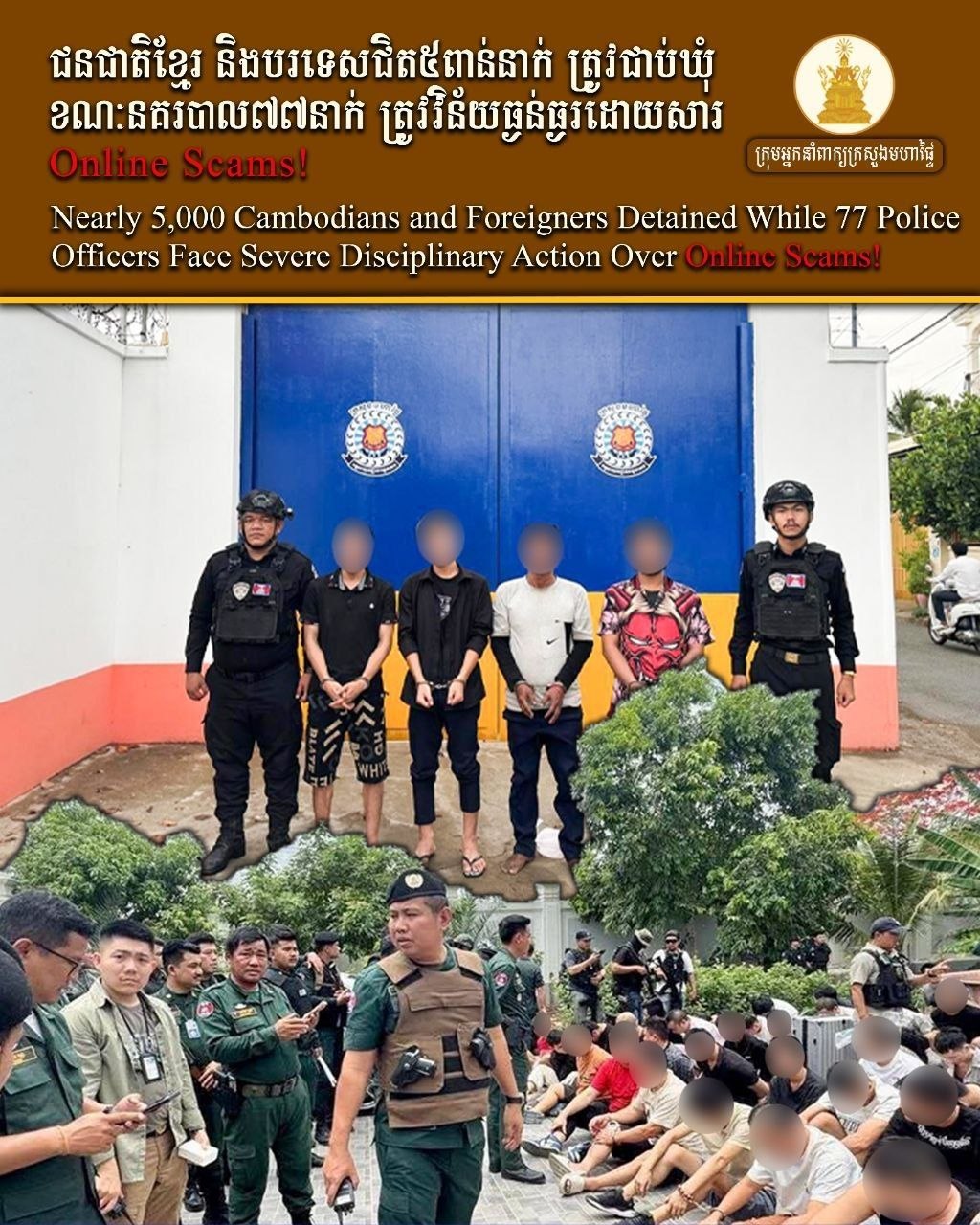
The record matters. Between July 2025 and June 2026, Cambodian authorities cracked down on 665 locations linked to online scams and carried out administrative inspections at more than 28,500 sites. Those operations produced 268 court cases involving nearly 2,773 suspects, with 2,200 now in detention. More than 21,000 foreigners of 38 nationalities were deported. These are not abstract figures. They represent arrests, raids, prosecutions and the dismantling of operations that harmed real people.
Cambodia has also built the institutional architecture to sustain this work: a government task force led directly by the Prime Minister, a Ministry of Interior task force with the National Police as the operational core, and unified command units across the capital and provinces. The legal foundation has been reinforced through the Code of Criminal Procedure, the Penal Code, Sub-Decree No. 03 on security at residential complexes, and a dedicated law on combating technology-based fraud.
None of this means the problem is solved. It is not. But a country that arrests thousands, deports tens of thousands and prosecutes hundreds is not a country looking the other way.
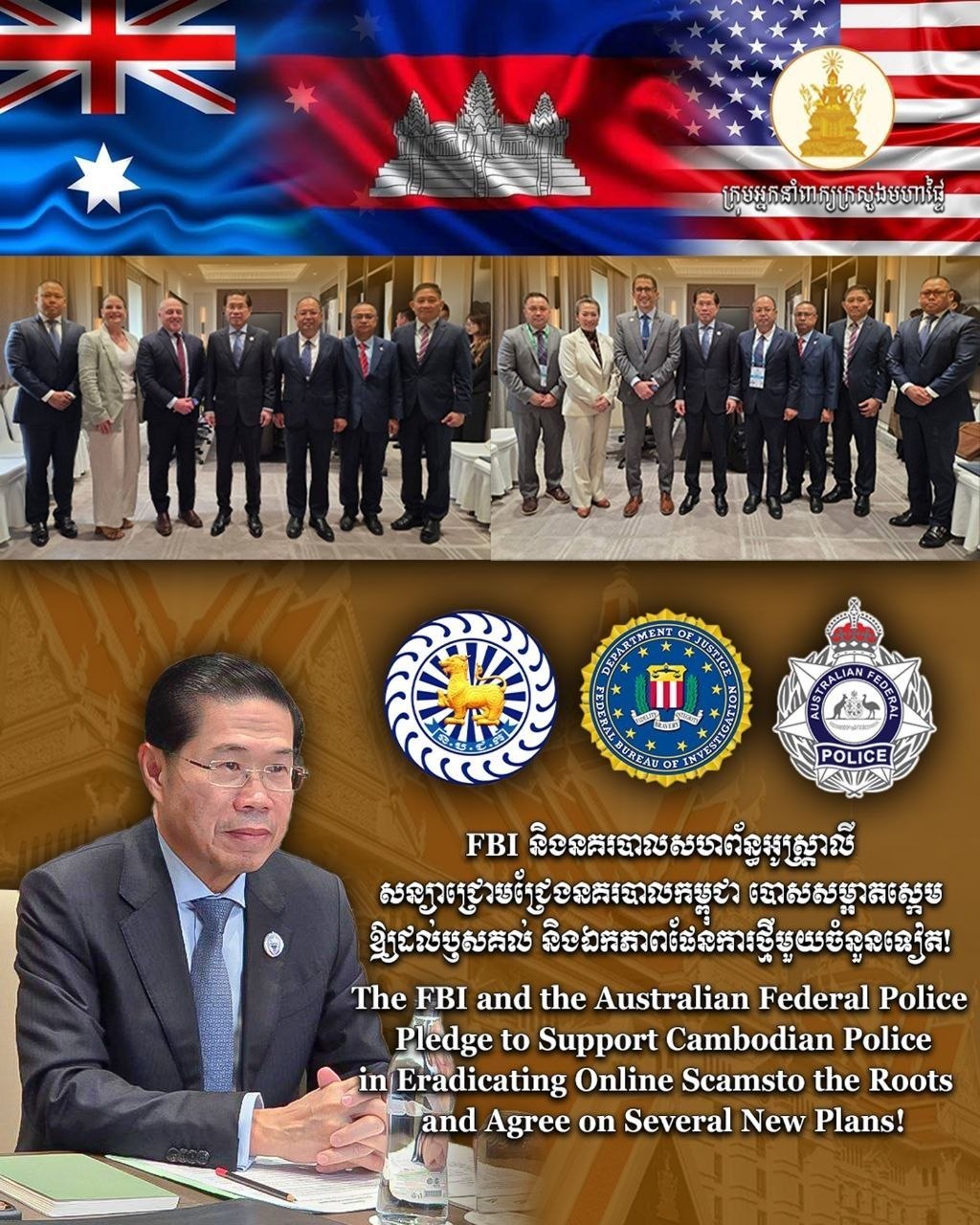
Yet the international conversation often treats Cambodia as a permanent suspect. Partner nations demand cooperation, then hesitate when Cambodia's enforcement agencies need intelligence, evidence or help dismantling networks whose finances and servers sit abroad. Scam operations are transnational by design. They exploit gaps between jurisdictions. No single country can defeat them alone — and no country should be expected to.
The frustration cuts both ways. When joint operations stall, as they have in the past, questions should be asked. But so should the reverse: what did Cambodia's partners bring to the table, and what did they withhold?
There is also a broader point about how the region understands this crime. Online scams are not a Cambodian problem that happens to affect others. They are a global criminal industry, operating through multiple countries, moving money through international banking systems and adapting faster than any single legal framework can track. Treating the issue as a single country's failure lets the wider network off the hook.
Cambodia's position is straightforward: it will not allow its territory to be used as a base for crimes that harm the region and the world. That commitment is now backed by enforcement, prosecution, deportation and legislation. It is a record that deserves scrutiny — and it deserves to be seen.
The conference this week aimed to break the chain. That chain has many links, and it does not begin or end in Phnom Penh. Cooperation means recognising that, and working with Cambodia rather than around it.
Sources:
Ministry of Information, International Conference on Combating Online Scams, Sept. 23, 2026
https://www.information.gov.kh/articles/202552
Ministry of Information, remarks by H.E. Sar Sokha, Deputy Prime Minister and Minister of Interior, Sept. 23, 2026
https://www.information.gov.kh/articles/202553
Ministry of Interior, statement on institutional and legal frameworks against online scams, Sept. 27, 2026
https://www.facebook.com/share/p/1F2XhdMng2/
General Department of Immigration, deportation of 23 Vietnamese nationals, Sept. 24, 2026
https://www.facebook.com/share/1CH4B1E3vh/
Reported by The Khmer Today