National
Cambodia, EU Pledge Joint Push Against Plastic Pollution
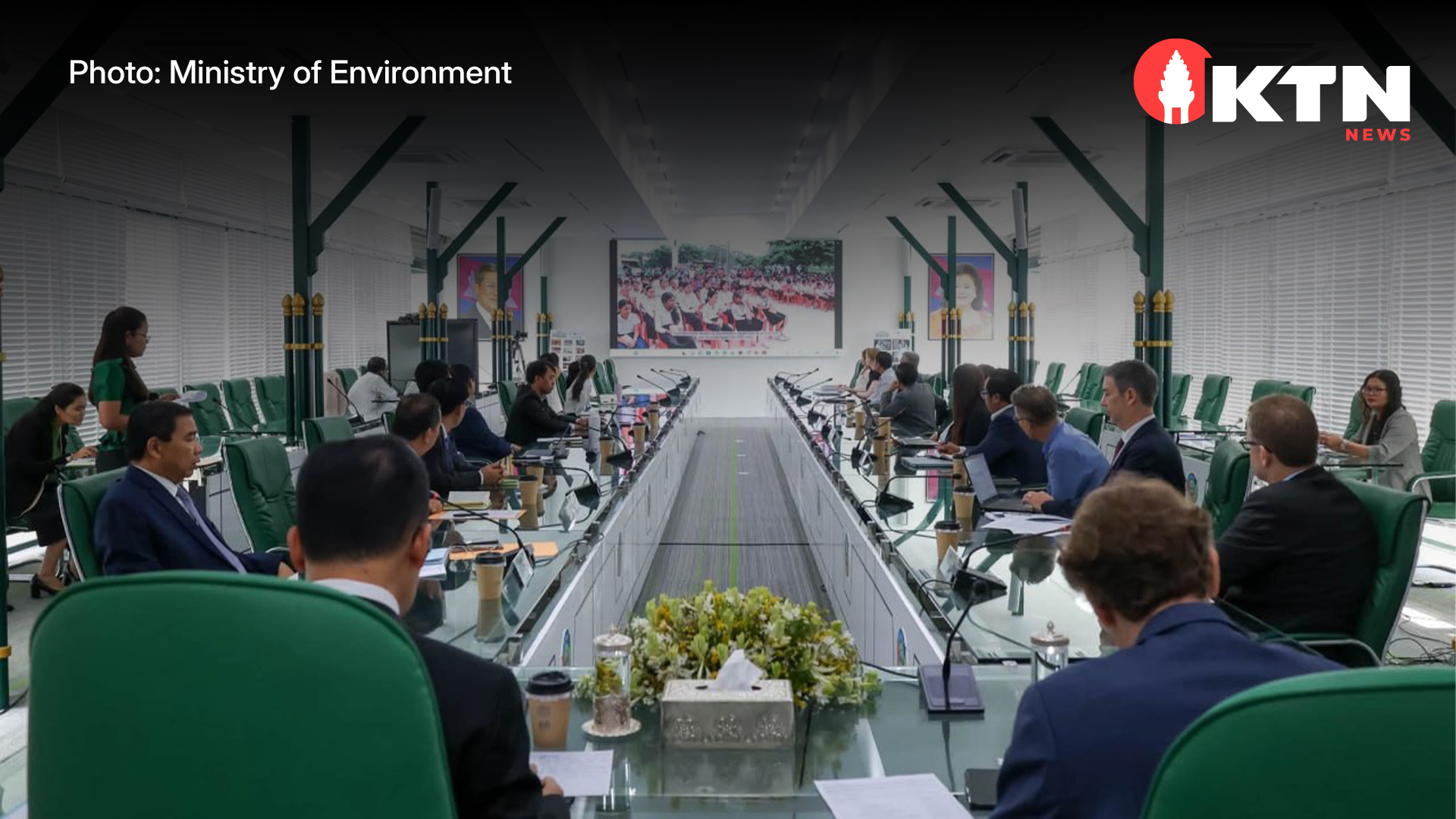
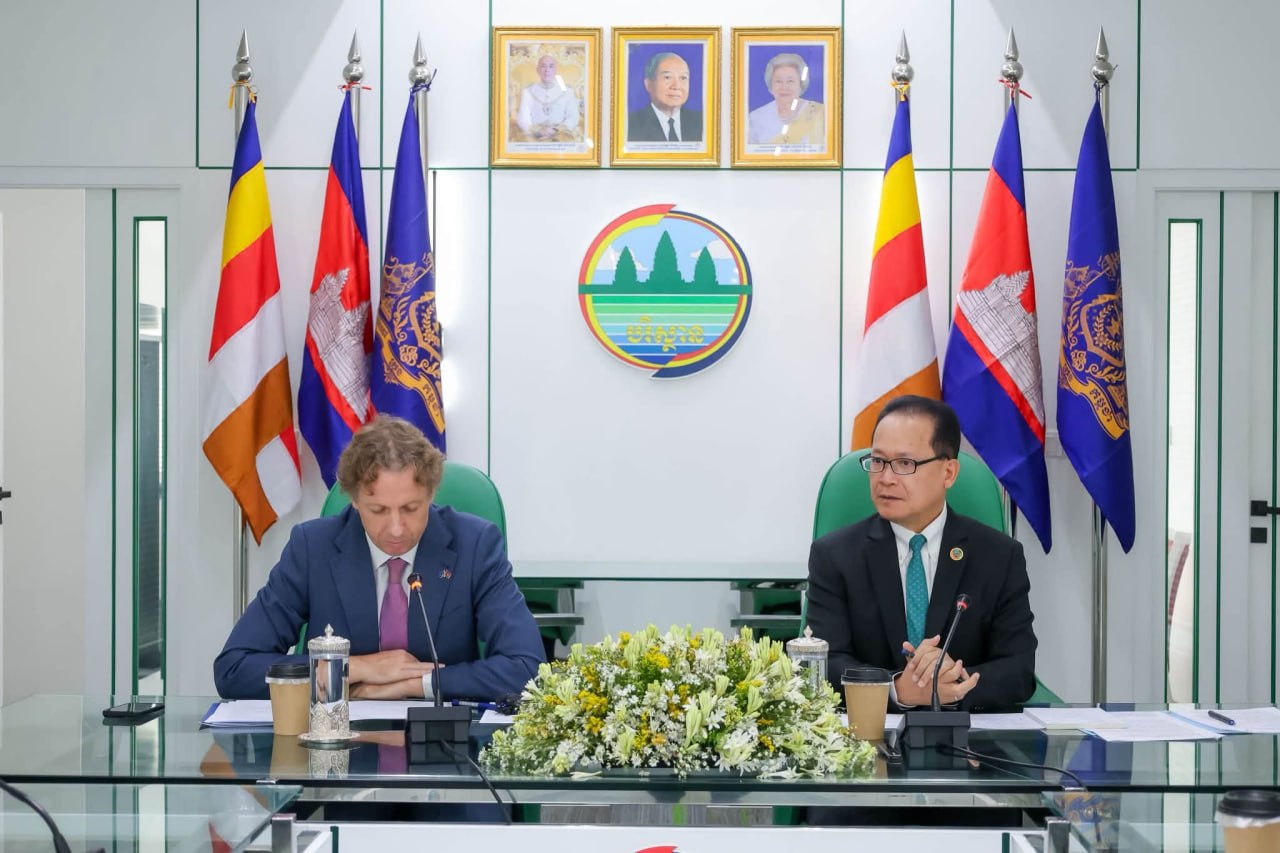
PHNOM PENH — October 21, 2026: Cambodia and the European Union reaffirmed their shared commitment to cutting plastic pollution on Wednesday, as the steering committee of the Plastic Smart Cambodia project met for the second time at the Ministry of Environment.
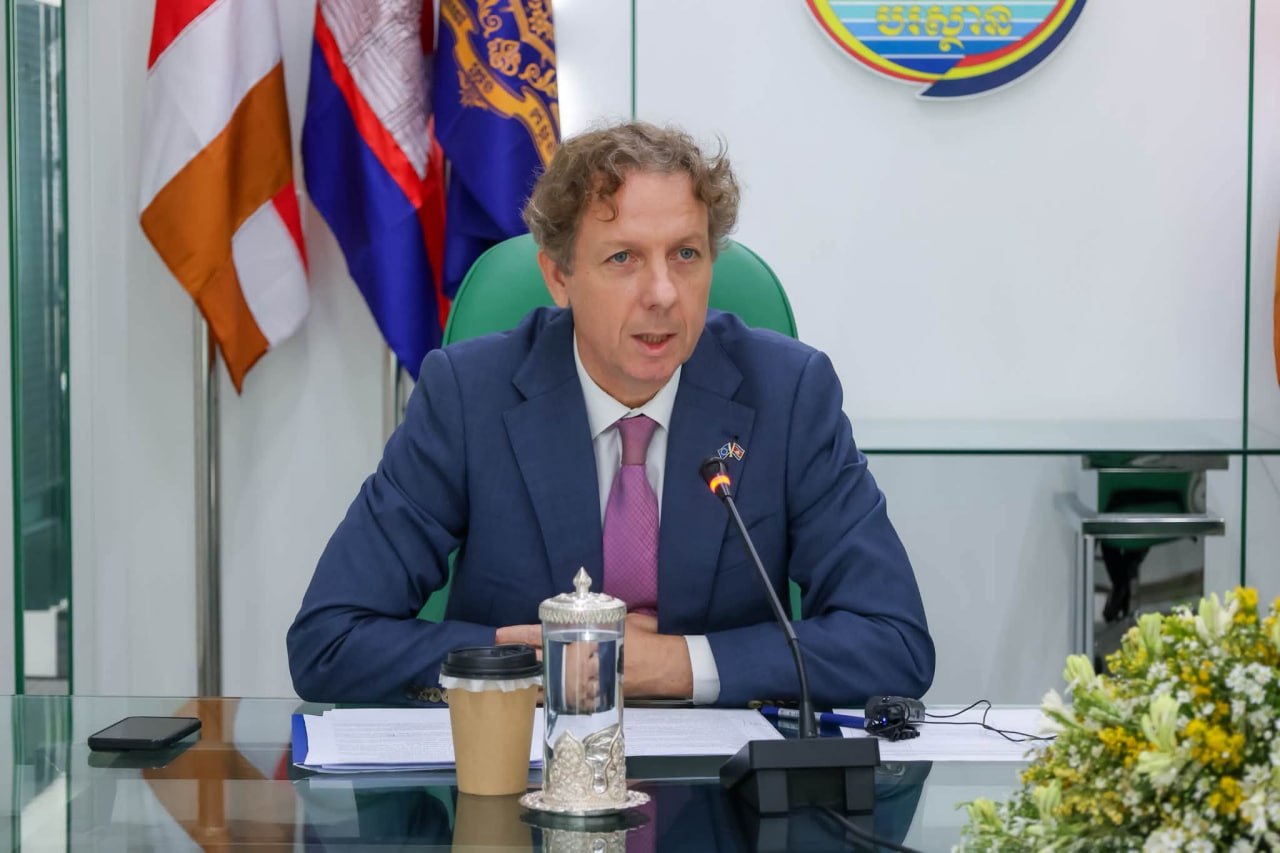
H.E. Igor Driesmans, the EU Ambassador to Cambodia, said the bloc and its partners in the country are working together on the shift toward a green economy and on reducing plastic pollution. He pointed to the Plastic Smart Cambodia project's work in improving waste sorting, proper collection and storage, and recycling into reusable materials.
Without a response, he said, the problem emits about 9.3 million tonnes of greenhouse gases. Under Cambodia's climate plan (NDC 3.0), the country has set a target of cutting greenhouse gas emissions by 3.9 million tonnes — a 59 percent reduction — by 2035, a goal he said would require additional cooperation between the EU and Cambodia.
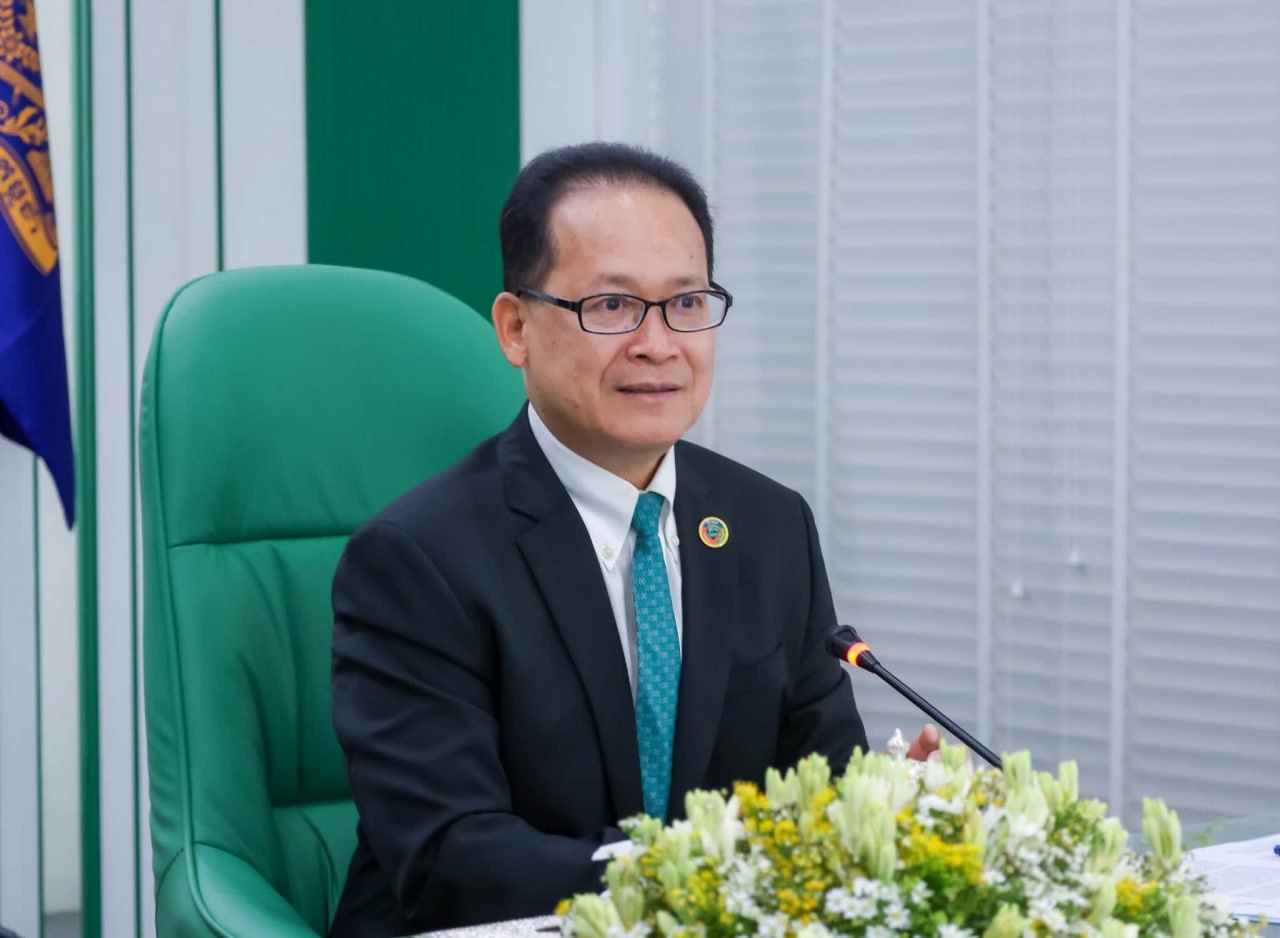
Minister of Environment H.E. Dr. Eang Sophalleth praised the project's contribution to cleanliness in Cambodia, noting that more than 14 million people have joined the "Today, I Don't Use Plastic Bags" campaign launched under the ministry's three-year environmental strategy. He said the campaign, which began with students' commitment nationwide, has become a force driving continued community participation against plastic pollution, including the largely invisible threat of microplastics. He said Cambodia has moved past the public-awareness phase into commitment and action, and is now building a movement toward a cleaner country.
The minister said the ministry does not expect to reach 100 percent, but wants Cambodia to be 80 to 90 percent clean in the coming period. He cited the provision of more than 60,000 sorting bins — likely three-bin sets at each location — at schools, pagodas, health centres and public places nationwide, and said students bringing plastic waste to school and its recycling or collection has turned that waste into income. He encouraged continued cooperation on the Plastic Smart Cambodia project, and called for promoting environmentally friendly or biodegradable alternatives to plastic in partnership with companies, the private sector and local producers, creating income and jobs for communities.
The ministry noted that in the project's first 21 months, Plastic Smart Cambodia has driven change on the ground, with residents in target communities organising to capture local economic benefits. The project is providing practical means to reduce plastic pollution and improve local waste management, and the EU also supports attracting quality green investment that can serve as a model for environmental sustainability in Cambodia.
Source: Ministry of Environment, Kingdom of Cambodia (Facebook)
Reported by The Khmer Today