National
PM Hun Manet Issues 16 Directives as New School Year 2026-2027 Opens
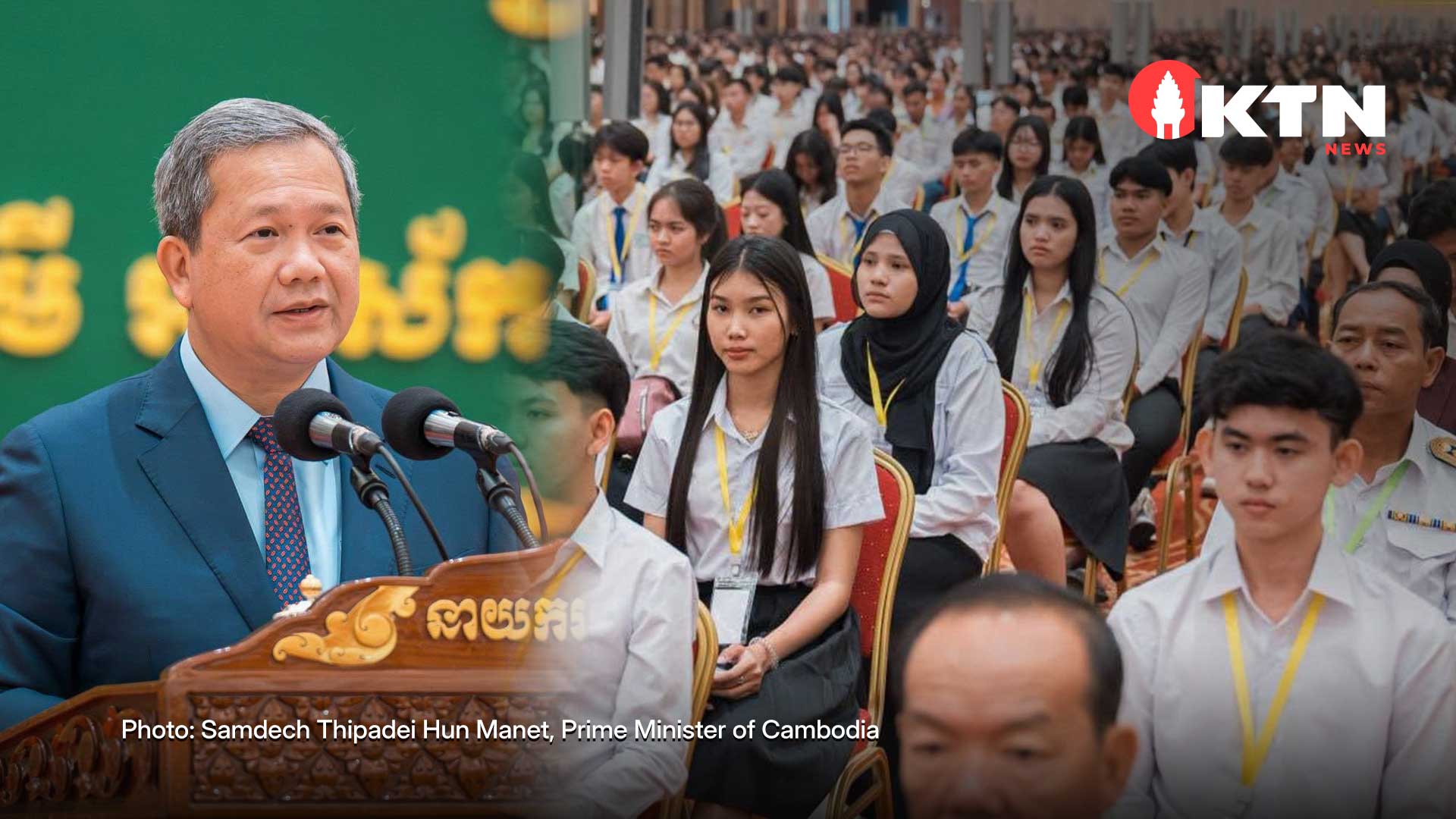
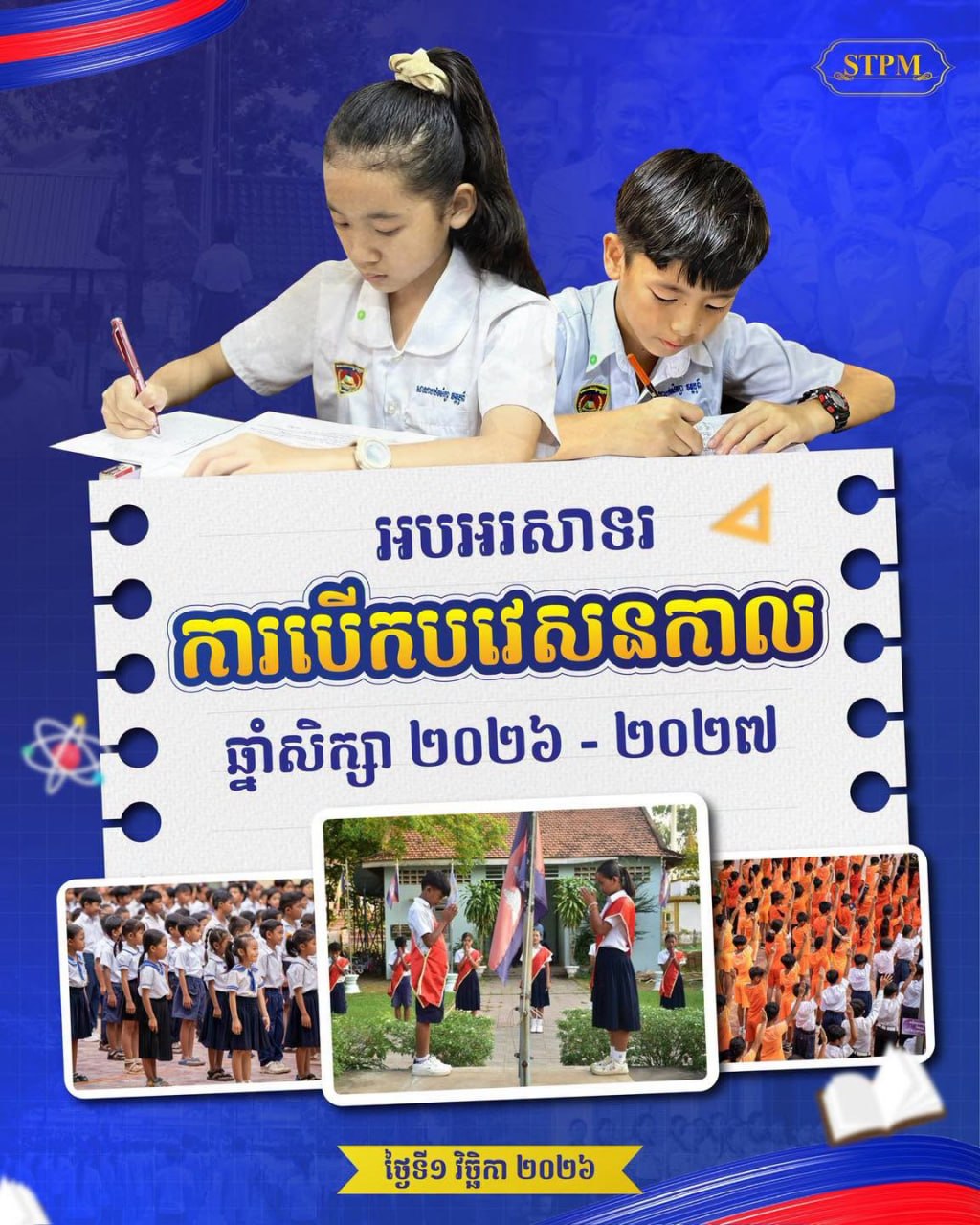
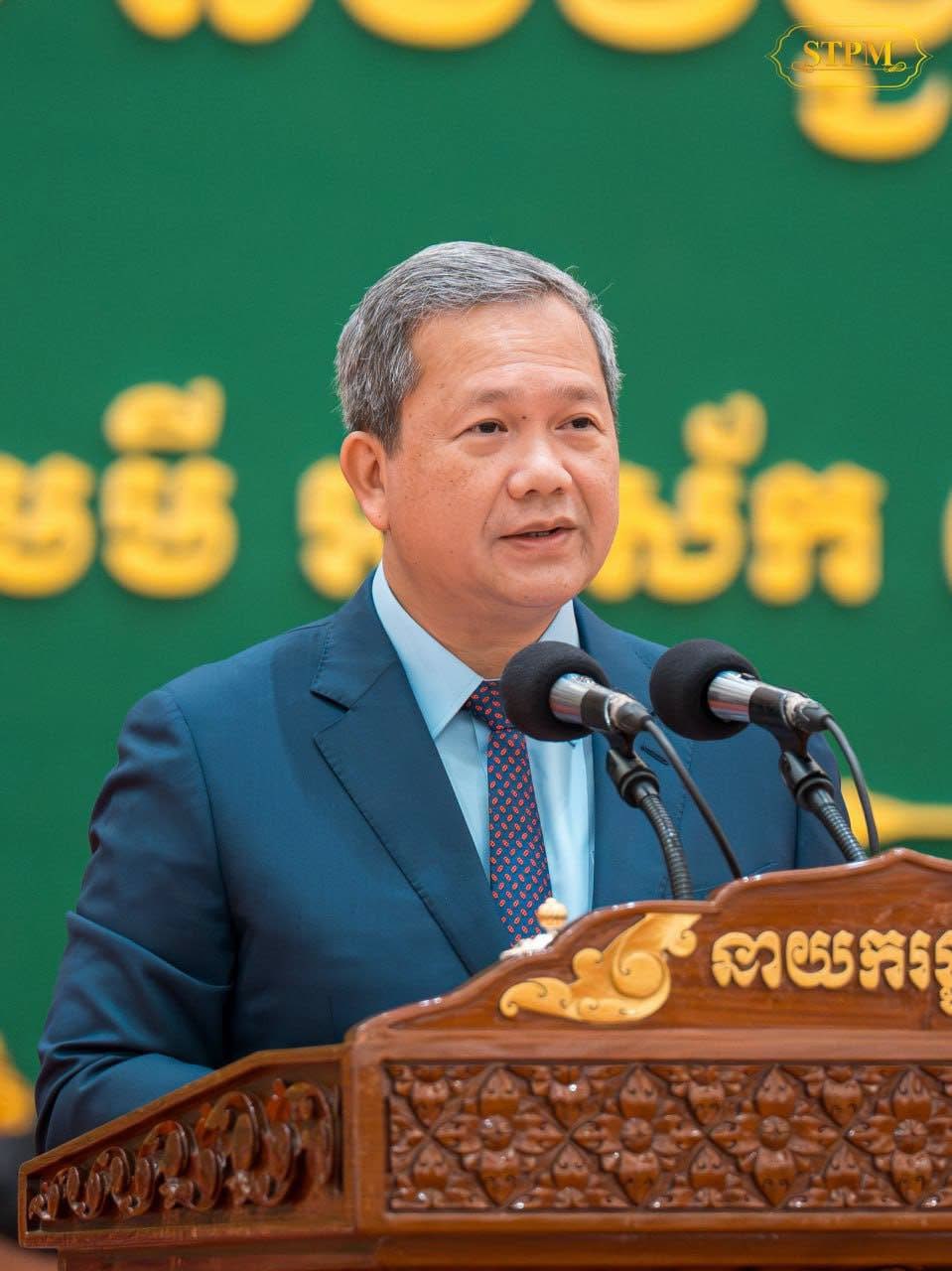
Phnom Penh, November 2, 2026: Prime Minister Samdech Moha Borvor Thipadei Hun Manet issued a message marking the opening of the 2026-2027 academic year on Nov. 1, 2026, setting out 16 directives to strengthen education nationwide, from expanding enrolment to modernising teaching and protecting student welfare.
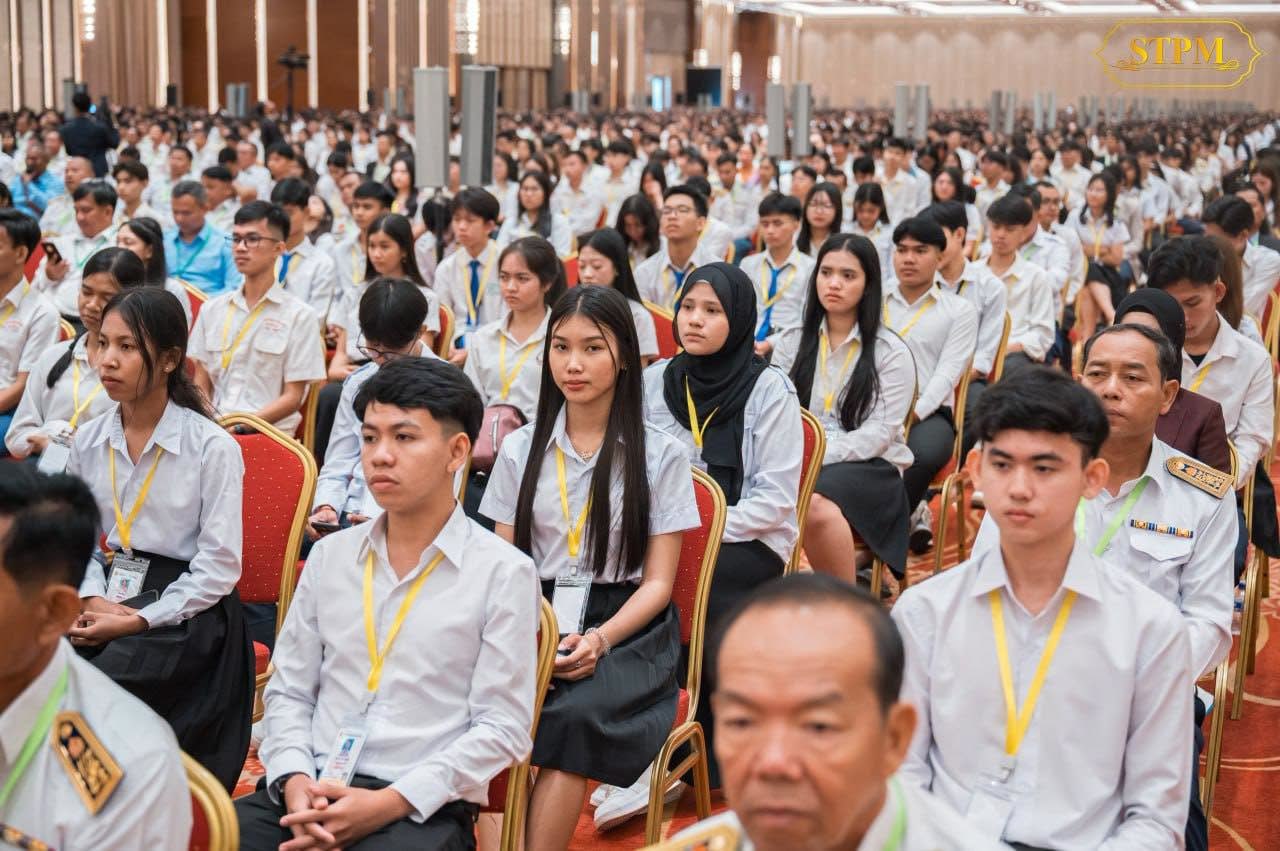
In the message, the Prime Minister extended his congratulations to teachers and students across the Kingdom, describing the first day of the new school year as especially meaningful for young children entering kindergarten and primary school and for students moving up a grade.
He reaffirmed that the Royal Government regards people as the indispensable resource for national socio-economic development and gives high priority to building human capital with knowledge, skills, ethics, discipline and physical and mental health.
The government continues to focus on education by pushing schools to become efficient public service units with good governance and accountability, strengthening school governance, improving teaching and learning, and promoting discipline, ethics and dignified behaviour so students become worthy Khmer citizens and the country's next generation.
Key measures include strengthening school governance, implementing extracurricular activities to reinforce knowledge, discipline and ethics, prioritising student health through school nutrition programmes and food quality inspections, and encouraging parents, guardians and communities to take part under the slogan "State-Community Partnership for Education." Schools at all levels will be developed according to the model school standards covering student outcomes, teaching and learning, community participation, administration and school accountability.
The Prime Minister praised the Ministry of Education, Youth and Sport, education staff at all levels and teachers for implementing education reforms that have produced consistently positive results, including annual education outcomes, the high school diploma examination and the SEA-PLM 2024 and PISA 2025 assessments.
Among the 16 directives, the ministry is tasked with expanding enrolment at all levels and keeping students in school through secondary education by building and improving schools, especially in areas lacking education services, adding classrooms and equipping laboratories, libraries and digital infrastructure. It must also continue comprehensive school reform from kindergarten to secondary level, strengthen cooperation with the secretariat of the National Committee for Education Reform, support children returning from Thailand and students in safe camps, and advance the "New Education Pathways" with counselling from Grade 7 and vocational and science-social streams from Grades 10 and 11.
Further directives cover modernising textbooks, reforming teacher education and strengthening teacher quality, including foreign language, ICT, digital, research and AI skills; strengthening school inspections and accountability; improving student assessment with formative evaluation and question banks; promoting inclusive education for children with special needs or in vulnerable situations; and advancing digital education through improved platforms, a digital education centre, teaching videos and digital curricula linked to labour market needs.
Schools are also instructed to strengthen the role of management committees and teachers, with principals and teachers arriving before students and leaving after them, while all institutions must improve hygiene, health, safety and school environments, build climate resilience and attend to the mental health and well-being of teachers and students.
Parents and guardians are urged to enrol their children, monitor their studies and behaviour, create a good learning environment at home and guide their use of technology and social media. Students are called on to study hard, develop themselves and stay away from drugs and social ills.
All ministries, institutions, authorities at all levels, the private sector, civil society and development partners are asked to continue and increase their participation with the government and the ministry in developing Cambodia's human capital, while state and private broadcasters are urged to widely promote the importance of education and lifelong learning.
Source: Samdech Thipadei Hun Manet, Prime Minister of Cambodia
Reported by The Khmer Today