Investment
Korean News Report Cited: Thailand’s US$580 Million Asset Freeze Case Raises Serious Concerns for Korean Investors
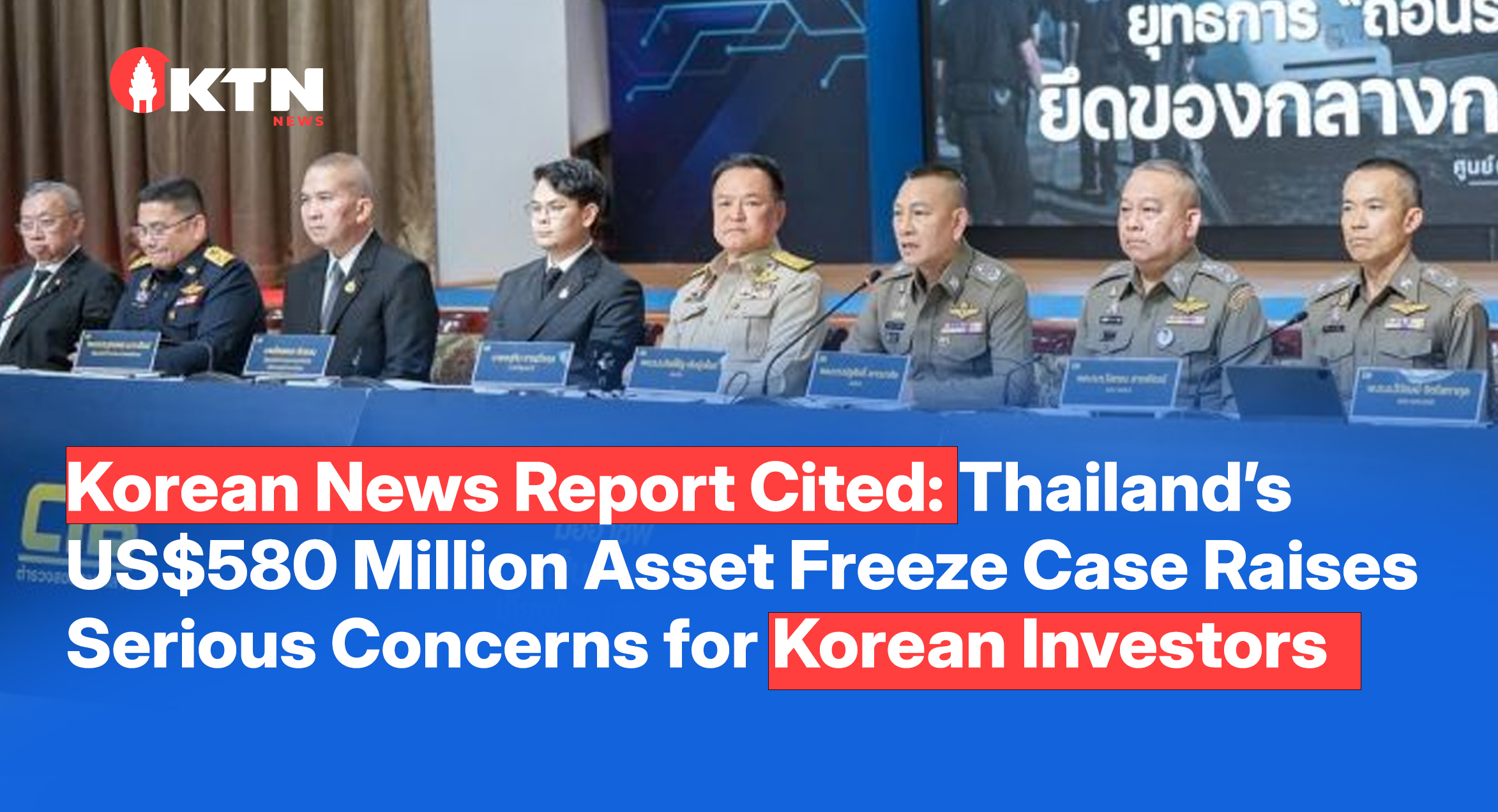
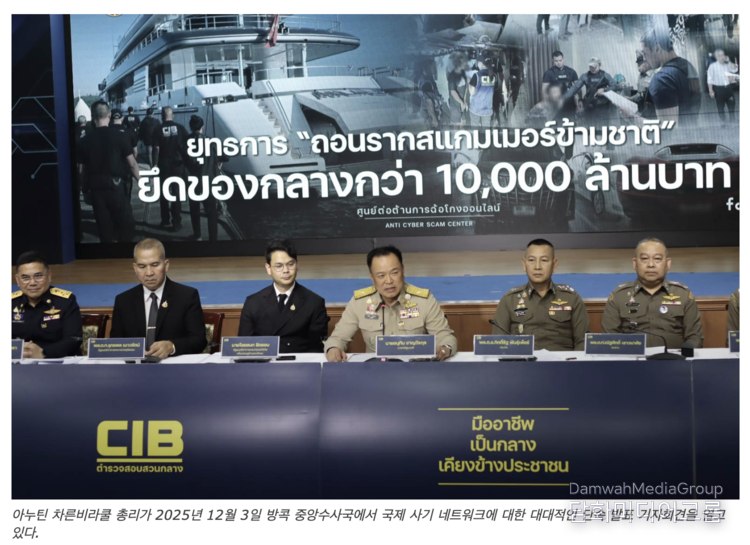
BANGKOK — A US$580 million asset freeze case in Thailand is drawing mounting international scrutiny, with a Korean special report warning that it is raising serious concerns over judicial proportionality, regulatory consistency, and the security of foreign investor assets.
The concerns come at a critical moment in Thailand–South Korea relations. As both countries move toward implementing a Comprehensive Economic Partnership Agreement (EPA), economic ties are expanding rapidly. South Korea has emerged as Thailand’s largest source of foreign direct investment in early 2023, while Thailand recorded a record US$60.2 billion in investment promotion applications in 2025. Against this backdrop, the latest enforcement action is now being viewed by analysts as a potential stress test of investor confidence.
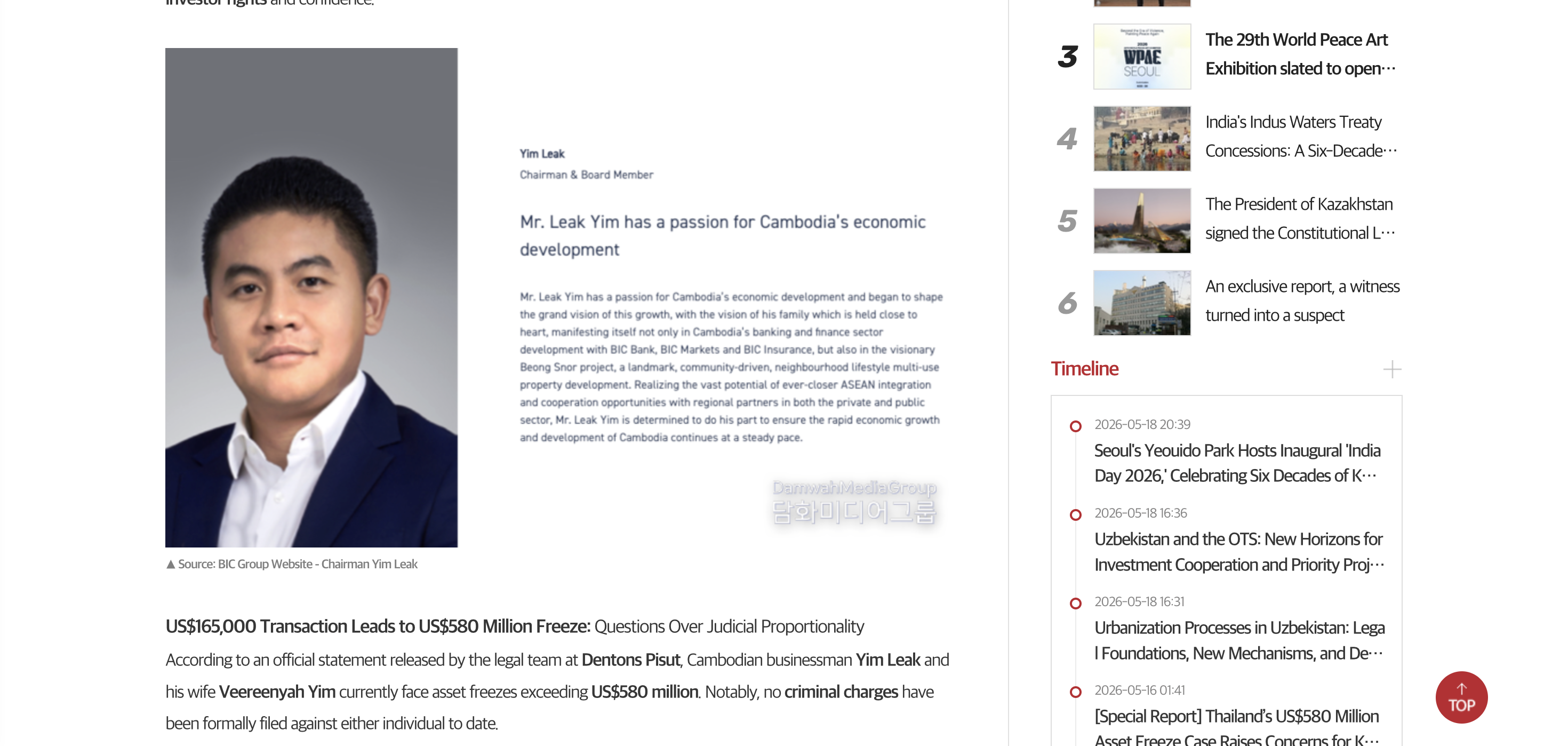
According to a special report published in 2026 by Diplomacy Journal Korea, the case involves Cambodian businessman Yim Leak and his wife, whose assets exceeding US$580 million have been frozen by Thai authorities despite no formal criminal charges being filed. The report highlights that the enforcement action was allegedly triggered by a single foreign-exchange transaction worth approximately US$165,000.
Legal representatives from Dentons Pisut, as cited in the report, argue that the scale of the asset freeze—nearly 4,000 times the value of the disputed transaction—raises serious questions about judicial proportionality. Analysts cited in the report warn that such disparity could signal broader concerns about how financial enforcement mechanisms are being applied.
The transaction in question was processed through a pooled account settlement system, a widely used financial infrastructure handling an estimated 40% to 55% of Thailand’s cross-border fund flows. The system is commonly used across Southeast Asia due to its efficiency compared to traditional SWIFT transfers. Legal experts cited in the report emphasize that under both Thai and international anti-money laundering frameworks, Know Your Customer (KYC) and due diligence responsibilities are typically assigned to licensed financial intermediaries rather than end recipients.
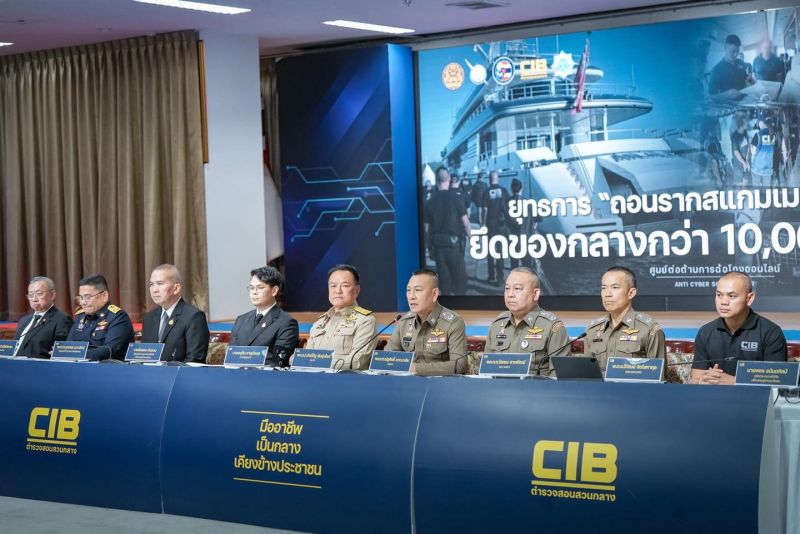
Thailand’s Anti-Money Laundering Office (AMLO) maintains that its actions are legally grounded, citing provisions under the Anti-Money Laundering Act that allow asset freezes through civil proceedings without the need for criminal charges. Authorities have stated that the case is being handled in accordance with domestic law and international obligations.
However, the defense, as referenced in the Korean report, disputes this interpretation, arguing that the reflects an excessive and inconsistent application of forfeiture law. The report notes that the same assets were previously reviewed by Thai authorities in 2024 and were determined at the time to have no connection to criminal conduct, leading to their release. The reopening of similar allegations has prompted further questions among observers about regulatory consistency.
Beyond the legal dispute, the report highlights growing concern among Korean investors regarding what experts describe as “commingling risk,” where funds processed through shared financial systems may become subject to enforcement actions regardless of direct involvement in wrongdoing. Analysts cited in the report suggest that such risks could have wider implications for foreign businesses operating in Thailand.
For international investors, the case is increasingly being viewed as more than an isolated legal matter. As noted in the Korean report, it is becoming a broader test of Thailand’s ability to balance assertive financial enforcement with transparency, predictability, and the protection of investor rights.
While Thai authorities deny any wrongdoing and maintain the legitimacy of their actions, the continues to attract attention as scrutiny intensifies from both legal experts and the international business community.
As the case develops, its outcome is expected to carry significant implications—not only for the individuals involved, but for Thailand’s reputation as a stable and reliable destination for global investment.
Report by KTN International
#ThailandAssetFreeze #InvestorRiskAlert #KoreanInvestorsConcern #JudicialProportionality
#RuleOfLawUnderScrutiny #ForeignInvestorSecurity #RegulatoryUncertainty
#ThailandRisk #GlobalInvestorWatch #FinancialJustice
#DueProcessMatters #InvestmentClimate #AMLOCase
#CrossBorderRisk #InvestorConfidenceCrisis
#LegalTransparencyNow #BusinessRiskAsia
#EmergingMarketRisks #KTNNews #EconomicDiplomacy